
Cat’s Claw Dosage: Condition-by-Condition Guide
 Ground Rise
⏱ 20 min read · Cat’s Claw guide
Cat’s Claw Dosage: Condition-by-Condition Guide — what you need to know before taking it.
Looking for the product? Ground Rise Cat’s Claw extract is single-origin Peruvian Uncaria tomentosa, standardized to 3% POAs. Join the notify list →
"500–1,000 mg" isn’t a dosage. It’s a range that tells you nothing about what you’re treating, which extract you actually bought, or whether it’s safe for you.
This guide fixes that.
What Is Cat’s Claw — and Why Does Dosage Vary So Much?
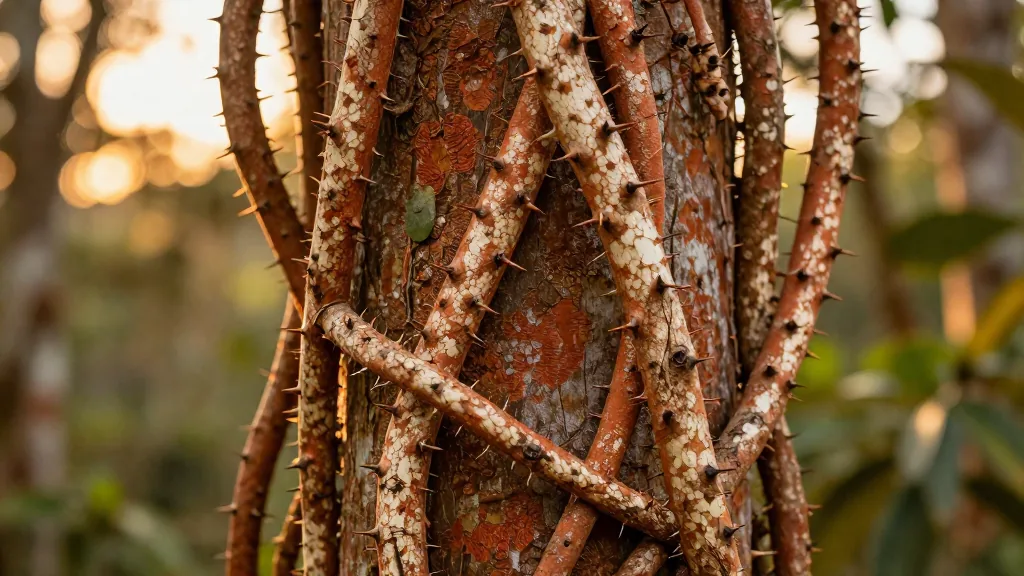
Cat’s claw (Uncaria tomentosa) is a woody vine from the Peruvian Amazon used in traditional medicine for centuries and now sold as one of the most popular herbal supplements for arthritis, immunity, and inflammation. Dosage varies so much because the plant contains dozens of active compounds — not a single active ingredient — and which compounds end up in your bottle depends on three variables: the extraction method, the plant part used, and the species on the label.
A 500 mg capsule of standardized alkaloid extract works differently than 500 mg of raw bark powder. A 300 mg dose of AC-11 targets different biological pathways than 300 mg of a traditional bark decoction. The condition being treated matters equally — osteoarthritis responds to different compounds than immune support does.
The dosage you need isn’t just about the amount. It’s about matching the right extract, in the right dose, to your specific health goal.
Uncaria tomentosa vs. Uncaria guianensis — Does the Species Matter?
Uncaria tomentosa and Uncaria guianensis are two distinct species sold as cat’s claw, and the difference matters for clinical outcomes.
Uncaria tomentosa is the species with the most robust clinical evidence. Every published randomized controlled trial on cat’s claw for arthritis and immunity used U. tomentosa. This is the species to look for on the label.
Uncaria guianensis is sold in supplements but has a significantly smaller research base. Some studies suggest similar compounds, but no RCTs have validated its clinical effects. Without a specific reason to choose it, U. tomentosa is the evidence-based choice.
The species problem goes further. At least 12 different plants are sold as "uña de gato" in Latin American markets and online retailers. Some are entirely different species; others aren’t even vines. This adulteration problem means that unless the label explicitly states Uncaria tomentosa, you may not be getting what you paid for.
Action step: Look for Uncaria tomentosa on the label — not just "cat’s claw" or "una de gato."
Active Compounds That Drive the Effects
Cat’s claw contains four main compound classes, each with distinct biological roles:
- Pentacyclic oxindole alkaloids (POAs): The primary drivers of immunomodulatory activity. POAs bind to specific immune receptors and regulate immune cell function. Most documented clinical benefit for arthritis and immunity comes from POAs.
- Tetracyclic oxindole alkaloids (TOAs): Structurally similar to POAs but they compete for the same receptors without delivering the same benefit. A higher TOA content in an extract reduces the effective activity of POAs.
- Quinic acid esters (carboxy alkyl esters, or CAEs): The basis of AC-11, a patented water-soluble extract. CAEs have minimal alkaloid content but are associated with DNA repair and anti-inflammatory effects through separate mechanisms — which is why AC-11 is positioned for immune support rather than joint pain.
- Secondary compounds (polyphenols, tannins, flavonoids, glycosides): These contribute to the anti-inflammatory and antioxidant profile but are not the primary drivers of documented clinical effects.
The ratio of these compounds changes based on how the product was manufactured. This is why the right dose depends on which extract you choose — not just how many milligrams are in the capsule.
Cat’s Claw Dosage by Condition
The table below reflects doses used in published clinical studies and evidence-based supplement protocols — not marketing claims.
| Condition | Recommended Form | Daily Dose Range | Frequency | Evidence Level | Notes |
|---|---|---|---|---|---|
| Osteoarthritis | Standardized extract (3% alkaloids) | 100 mg | Once daily | Moderate (RCTs) | Piscoya et al. 2001; onset 4–8 weeks |
| Rheumatoid Arthritis | Freeze-dried root / standardized | 20–60 mg (alkaloid-standardized) | 2–3x daily | Low–Moderate | ⚠️ Caution with methotrexate and biologics |
| Immune Support | AC-11 / water-soluble extract | 250–350 mg | Once daily | Moderate | Best-studied form for immune DNA repair |
| General Inflammation | Bark powder / standardized extract | 300–500 mg | 1–2x daily | Low–Moderate | Poorly studied as standalone condition |
| Cognitive Health / Alzheimer’s Prevention | AC-11 or standardized extract | 300 mg | Once daily | Preliminary only | No established clinical protocol |
| Traditional use (tea) | Bark decoction | 1 g bark per cup | 1–3 cups/day | Ethnobotanical | Alkaloid content highly variable; not recommended for therapeutic dosing |
Important disclaimer: Doses reflect ranges used in clinical studies or established supplement protocols. Always consult a healthcare provider before starting, especially if you take prescription medications. This table is informational, not medical advice.
Osteoarthritis and Joint Pain
Osteoarthritis is the condition with the strongest clinical evidence for cat’s claw supplementation. A landmark study by Piscoya et al. (2001) tested 100 mg/day of freeze-dried Uncaria tomentosa extract in patients with knee osteoarthritis and found meaningful reductions in pain and improved joint function comparable to some pharmaceutical interventions.
One critical detail: that 100 mg was a standardized extract, not raw powder. A capsule labeled "100 mg cat’s claw bark powder" does not deliver the same concentration of active compounds. Standardized extracts are concentrated; raw powder is not. The label distinction matters.
What to expect from cat’s claw for osteoarthritis:
- Minimum trial period: 4 weeks before assessing any effect
- Expected onset: 4–8 weeks for meaningful reduction in pain and stiffness
- Signs it’s working: Reduced morning stiffness, less pain during movement, improved range of motion
- Realistic outcome: A measurable reduction in pain and inflammation for many people — not a cure, and some experience no change
Many commercial products combine cat’s claw with glucosamine, chondroitin, or other joint-support ingredients. These combinations aren’t necessarily more effective. To isolate the effect of cat’s claw and control your dose, choose a product with cat’s claw alone, standardized to 3% oxindole alkaloids.
Rheumatoid Arthritis
Rheumatoid arthritis requires a direct conversation with your doctor before starting cat’s claw. RA involves an overactive immune system attacking joint tissue, and patients typically take powerful immunosuppressive medications — methotrexate, leflunomide, or biologic agents like TNF inhibitors (Humira, Enbrel, Remicade). Cat’s claw has immunomodulatory activity. Combining an immune-modulating herb with immunosuppressive drugs creates unpredictable interactions.
A small pilot study (Mur et al., 2002) tested 60 mg/day of cat’s claw root extract as complementary therapy in RA patients already on standard medications. Results showed modest reduction in joint swelling, but the sample size was small and the study was not designed to assess safety with concurrent medications.
The bottom line for RA patients:
- Do not start cat’s claw if you take methotrexate, biologics, or any immunosuppressant without explicit approval from your rheumatologist
- The risk isn’t that cat’s claw is inherently dangerous — it’s that combining it with RA medication could trigger flares or reduce medication effectiveness
- If your rheumatologist approves, the studied dose is 20–60 mg/day of alkaloid-standardized extract, taken in 2–3 divided doses
Before combining cat’s claw with any RA medication, review your current medications against known interactions with your prescriber.
Immune Support
Immune support is the most popular post-pandemic use case for cat’s claw, and AC-11 is the best-studied extract for this application. AC-11 (also sold as C-Med 100 or Samento) is a water-soluble extract of Uncaria tomentosa standardized to carboxy alkyl esters (CAEs). Unlike alkaloid-rich extracts, AC-11 contains minimal oxindole alkaloids and instead delivers the quinic acid esters associated with DNA repair and immune cell function.
Why AC-11 for immunity specifically:
- CAEs support DNA repair in immune cells and reduce oxidative stress
- The mechanism is regulatory — "support and maintain" rather than "stimulate" — which makes AC-11 safer for people with mild immune sensitivities (though still not appropriate for diagnosed autoimmune disease)
- Studies and commercial protocols use 250–350 mg/day, taken once daily with food
What to expect from AC-11 for immune support:
- Timeline: 2–6 weeks for perceived immune benefit
- Signs it’s working: Fewer respiratory infections during the season you start; faster recovery when illness does occur
- Reality check: Cat’s claw is not a substitute for sleep, exercise, or vaccination — it is a complementary tool
General Inflammation
Cat’s claw is frequently marketed as an anti-inflammatory supplement, but the evidence for treating "general inflammation" without a specific diagnosis is weak. Cat’s claw does contain anti-inflammatory compounds — tannins, polyphenols, and alkaloids all contribute — but most clinical studies paired cat’s claw with a specific condition (osteoarthritis, RA) rather than testing it against inflammation in isolation.
If you’re considering cat’s claw for general inflammation:
- Dose: 300–500 mg/day of standardized extract, taken in 1–2 divided doses
- Expectation: Modest anti-inflammatory effect; not validated as a standalone treatment
- Better approach: If you don’t have a specific diagnosed condition driving the inflammation, addressing root causes — sleep quality, exercise, stress, diet — will deliver more measurable results than adding a supplement
Cognitive Health and Alzheimer’s Prevention (Emerging Use)
Cognitive health is the most preliminary application for cat’s claw, and the evidence base is currently limited to in vitro research. Some laboratory studies suggest that compounds in cat’s claw can inhibit beta-amyloid accumulation and reduce neuroinflammation — both theoretical mechanisms relevant to Alzheimer’s disease. No human clinical trials have been completed, and no established dosing protocol exists.
Nootropics educators have popularized cat’s claw for cognitive support based on this emerging science. The reasoning is not unreasonable, but "promising in a laboratory" is not the same as "proven in people."
If you choose to explore cat’s claw for cognitive support:
- Extrapolated dose: 300 mg/day of AC-11 or standardized alkaloid extract, based on doses used in other conditions
- Discuss with a neurologist before starting, especially with a family history of cognitive decline or concurrent use of other brain-health supplements
- Track subjectively: There are no validated biomarkers for this use case at the consumer level
Cognitive support is promising on paper — but "promising on paper" is not the same as proven in people.
AC-11 vs. Alkaloid-Rich Extracts — Which One Should You Take?
The choice between AC-11 and alkaloid-rich extracts is the single most confusing decision point for cat’s claw buyers, and the answer depends entirely on what you’re treating.
Two cat’s claw products sit side by side on a shelf. One says "standardized to 3% oxindole alkaloids." The other says "AC-11 / C-Med 100." The prices differ. The labels look nothing alike. They are genuinely different products with different mechanisms — not just different marketing.
What Is AC-11 (C-Med 100)?
AC-11 is a patented, water-soluble extract of Uncaria tomentosa developed by Pharmanex (now part of Nu Skin) and standardized to carboxy alkyl esters (CAEs) — not to alkaloids. The manufacturing process removes or minimizes the oxindole alkaloids, leaving behind the water-soluble CAEs associated with DNA repair and immune cell support.
Key facts about AC-11:
- Found in supplements as a branded ingredient — look for "AC-11" explicitly on the label, not just "cat’s claw extract"
- Typical retail cost: $20–40 for a 30-day supply, versus $10–20 for standardized alkaloid extracts
- Samento is a separate brand-name extract marketed as "TOA-free" — it removes tetracyclic alkaloids using a different extraction method. Both AC-11 and Samento are legitimate; AC-11 has more published research behind it
Oxindole Alkaloids — Pentacyclic vs. Tetracyclic
Pentacyclic (POAs) and tetracyclic (TOAs) oxindole alkaloids compete for the same cellular receptors, which is why their ratio in an extract determines its effectiveness.
POAs deliver the immunomodulatory activity documented in clinical studies. TOAs occupy the same receptor sites without producing the same benefit — effectively blocking POAs from working. Think of it as a parking lot: POAs are vehicles trying to reach immune-support spaces; TOAs are other vehicles occupying those same spaces without purpose.
This is why some manufacturers invest in "TOA-free" or "alkaloid-optimized" extracts. For immune support specifically, a higher POA-to-TOA ratio produces better outcomes. Standard extracts are typically standardized to 3% total oxindole alkaloids — a mix of both POAs and TOAs. If the label doesn’t specify POA or TOA content separately, assume it’s a standard mixed-alkaloid extract.
Quick Decision Guide — Use Case → Extract Type
| Your Primary Goal | Best Extract Type | What to Look for on Label |
|---|---|---|
| Joint pain / osteoarthritis | Standardized (3% oxindole alkaloids) | "Uncaria tomentosa, standardized to 3% oxindole alkaloids" |
| Immune support / DNA repair | AC-11 or water-soluble extract | "AC-11," "C-Med 100," or "carboxy alkyl esters" |
| General inflammation | Standardized extract or bark powder | Standardized preferred over raw powder |
| Cognitive support | AC-11 or standardized extract | Either works; AC-11 preferred if available |
| Traditional / budget use | Bark tea or powder | Verify Uncaria tomentosa on label; alkaloid content will be unpredictable |
How Long Until Cat’s Claw Works? (And When to Stop)
Cat’s claw requires a minimum of 4 weeks before any condition shows a measurable response — 2 weeks is too short for every application studied. The compounds need time to accumulate in the body before producing detectable effects.
Realistic Timeline by Condition
| Condition | Minimum Trial Period | Expected Onset | Signs It’s Working |
|---|---|---|---|
| Osteoarthritis | 4 weeks | 4–8 weeks | Reduced morning stiffness, less pain on movement, improved mobility |
| Rheumatoid Arthritis | 8 weeks | 6–12 weeks | Fewer flares, reduced joint swelling, less morning stiffness |
| Immune Support | 4 weeks | 2–6 weeks | Fewer infections, faster recovery, reduced sick days |
| Cognitive / Neuroprotection | 8–12 weeks | Unclear | Subjective only; no validated consumer biomarkers at this stage |
How to track results objectively:
- Record the start date and dose taken
- Choose 1–2 specific symptoms to monitor (e.g., morning stiffness duration, number of sick days)
- Rate each symptom on a 1–10 scale at baseline
- Re-rate every 2 weeks
- After 4–8 weeks, compare scores to baseline — not to how you feel on a given day
If you’re tracking results, a simple written log delivers actual data instead of guesswork.
Should You Cycle Cat’s Claw?
No established cycling protocol exists in the clinical literature. Some integrative medicine practitioners recommend an 8-weeks-on / 2-weeks-off schedule for long-term use, based on the theory that cycling prevents receptor desensitization. This is practice-based reasoning, not evidence-based guidance.
Practical guidelines on duration:
- Short-term / acute use (8–12 weeks): Continuous daily dosing is standard and matches how clinical studies were conducted
- Chronic conditions (osteoarthritis, long-term immune support): Long-term continuous use under medical supervision is what the published studies reflect
- Stop cat’s claw if: Side effects don’t resolve with dose reduction; surgery is scheduled within 2 weeks (anticoagulant risk); your doctor advises stopping; or you’ve reached your goal and want to reassess
Who Should NOT Take Cat’s Claw — Contraindications and Drug Interactions
Several populations and medication combinations make cat’s claw unsafe or require strict medical supervision before starting. Review this section before opening the bottle.
Autoimmune Conditions — A Critical Warning
Cat’s claw is contraindicated in most autoimmune conditions because its immunomodulatory activity can trigger or worsen flares in a system that is already overactive.
Conditions where cat’s claw must be avoided or used only under strict medical supervision:
- Systemic Lupus Erythematosus (SLE)
- Multiple Sclerosis (MS)
- Inflammatory Bowel Disease (Crohn’s disease, Ulcerative Colitis)
- Psoriasis
- Active Rheumatoid Arthritis (unless explicitly approved by a rheumatologist)
- Sjögren’s syndrome
- Scleroderma
The exception: some rheumatologists do use cat’s claw as a complementary therapy in RA — but only under close monitoring and with explicit medical approval. Self-medicating with cat’s claw when you have a diagnosed autoimmune condition is not safe.
If you have an autoimmune condition, consult your rheumatologist or immunologist before starting cat’s claw.
Pregnancy, Breastfeeding, and Children
Cat’s claw is contraindicated in three specific populations:
- Pregnant women: Cat’s claw has documented uterotonic properties in traditional use — it can stimulate uterine contractions. This is a real pharmacological risk, not a theoretical precaution. Do not take cat’s claw if you are pregnant or actively trying to conceive.
- Breastfeeding women: Whether cat’s claw compounds pass into breast milk is not well-studied. Avoid during lactation out of precaution.
- Children under 18: No pediatric safety studies exist. Cat’s claw should not be given to anyone under 18 without explicit guidance from a pediatrician.
Drug Interactions — What You Must Know Before You Start
Cat’s claw interacts with several common prescription medications. Many people don’t discover these interactions until a problem occurs, because supplement labels are not required to list all contraindications.
| Medication / Drug Class | Interaction Risk | Mechanism | What to Do |
|---|---|---|---|
| Warfarin / Coumadin (anticoagulant) | HIGH | Antiplatelet and anticoagulant activity; combined effect increases bleeding risk | Do not combine without hematologist approval; inform your doctor before starting |
| Methotrexate (immunosuppressant for RA) | HIGH | Additive immunomodulation; may reduce medication efficacy | Avoid unless rheumatologist explicitly approves; requires close monitoring |
| TNF inhibitors / biologics (Humira, Enbrel, Remicade) | HIGH | Immune modulation conflicts with drug mechanism; risk of flares | Avoid; discuss with rheumatologist if interested |
| Antihypertensive drugs (ACE inhibitors, beta-blockers, calcium channel blockers) | MODERATE | Cat’s claw may lower blood pressure; additive hypotension risk | Monitor blood pressure; inform your prescriber; dose adjustment may be needed |
| CYP3A4-metabolized drugs | MODERATE | Cat’s claw inhibits CYP3A4 enzyme; may raise blood levels of co-administered medications | Includes atorvastatin, simvastatin, sertraline, and some oncology drugs; check with your pharmacist |
| NSAIDs / Aspirin | LOW–MODERATE | Additive antiplatelet effect; increased bleeding risk with long-term combined use | Use with caution; monitor for unusual bruising or bleeding |
| Immunostimulants (echinacea, elderberry) | LOW | Additive immune stimulation; theoretical risk of overactivation | Generally avoidable; no strong evidence of harm in healthy adults |
"My doctor told me to stop taking it because of my rheumatoid arthritis medication. Why didn’t the bottle say this?" — Because supplement labels are poorly regulated. Manufacturers are not required to list all contraindications. This is a gap in the system — and it falls on you to fill it by asking your doctor and pharmacist before starting.
Before starting cat’s claw, review your current medications with your healthcare provider or pharmacist.
How to Choose a Quality Cat’s Claw Product
A quality cat’s claw product can be identified by 6 specific label criteria and distinguished from low-quality products by 5 red flags — before you spend a dollar.
What to Look for on the Label — Quality Checklist
✅ Green flags (product is likely legitimate):
- Species clearly stated: Uncaria tomentosa — not just "cat’s claw," "una de gato," or "herbal blend"
- Standardization declared: "Standardized to 3% oxindole alkaloids" OR "contains AC-11 / C-Med 100"
- Third-party tested: USP, NSF International, Informed Sport, or ConsumerLab seal visible on the label
- Plant part specified: "Root bark" or "bark" — not "aerial parts," "whole plant," or unspecified
- Manufacturer contact information and lot number visible on the label (not only on the website)
- Expiration date clearly printed
❌ Red flags (put it back):
- No species name — just "cat’s claw" or "una de gato" with no botanical name
- No standardization information — says "extract" or "powder" with no potency data
- "Proprietary blend" that hides the individual dose of cat’s claw within a mixture of other ingredients
- No third-party testing mentioned anywhere on the label or manufacturer’s website
- Under $10 for 60 capsules with no quality certifications — suggests low-quality sourcing or heavy fillers
- Vague sourcing — "sourced from the Amazon" is marketing copy; legitimate brands specify region and supplier
Forms Compared — Capsule vs. Powder vs. Tea
| Form | Pros | Cons | Best For |
|---|---|---|---|
| Standardized capsule | Consistent dose every time; convenient; easy to track; shelf-stable | Most expensive; may contain fillers; harder to adjust dose | Therapeutic use (arthritis, immunity); anyone who wants precision |
| Bark powder (bulk) | Cheapest option; flexible dosing; traditional preparation | Alkaloid content is highly variable; harder to measure; bitter taste | Budget-conscious users; traditional use; people comfortable with variability |
| Tea / decoction | Easy to prepare; inexpensive; traditional | Very inconsistent alkaloid content; time-consuming; unpleasant taste | Mild general wellness only — not for treating specific conditions |
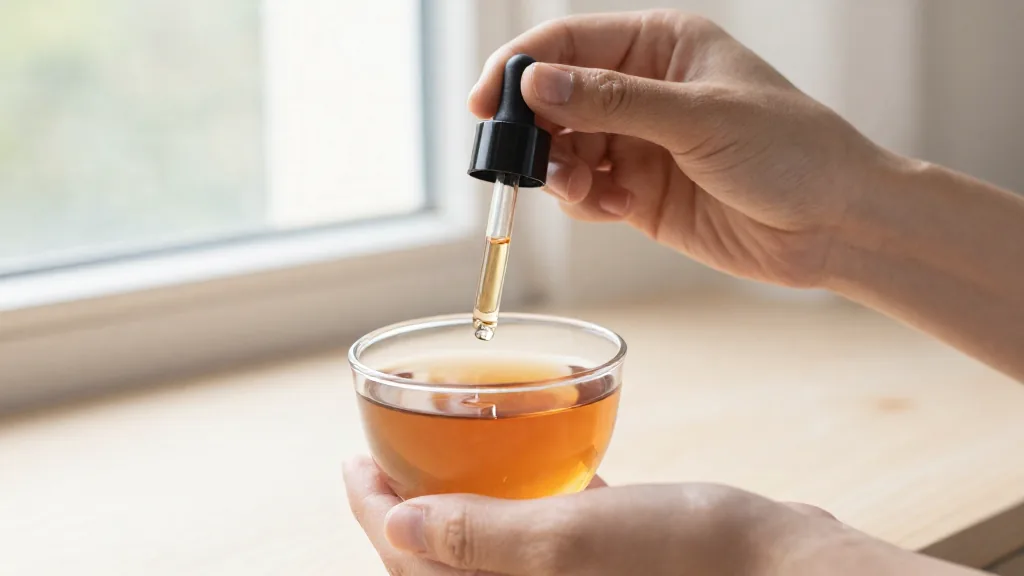
| Liquid extract / tincture | Fast absorption; easy to adjust dose; suitable for those who can’t swallow capsules | Alcohol content varies; less precise dosing; more expensive than powder | Those who can’t swallow capsules; people seeking faster absorption |
"I bought three different cat’s claw products and they all say different things on the label. How do I know which one actually works?" — Because supplement labeling is inconsistent across manufacturers. The practical solution: choose one product that meets all 6 green flags above, use it for 4–8 weeks as directed, and track your target symptom. If it works, continue. If not, change one variable at a time — form or extract type — so you know what made the difference.
Looking for a third-party tested cat’s claw supplement? Here are the brands that passed our quality criteria. (link to product review)
Side Effects and How to Minimize Them
Cat’s claw is generally well-tolerated in healthy adults, but side effects occur most often when starting at full dose without a ramp-up period.
Common Side Effects (Mild)
- Nausea and gastrointestinal upset: The most common side effect, especially with raw powder or when taken on an empty stomach
- Headache: Typically occurs in the first 1–2 weeks and resolves without intervention
- Diarrhea: More likely at higher doses or with powder form
- Dizziness: Rare, but can occur due to mild blood pressure-lowering activity
How to Minimize Side Effects
- Take with food. Taking cat’s claw with a meal eliminates most gastrointestinal side effects for the majority of users.
- Start at half your target dose for the first week. If your target dose is 300 mg/day, take 150 mg for week one, then increase to 300 mg. This ramp-up period allows the body to adjust.
- Stay hydrated. Cat’s claw has mild diuretic properties; increase water intake by at least one additional glass per day.
- For headache: Over-the-counter pain relief is appropriate; the headache is usually transient and resolves within a few days.
Rare but Serious — When to Stop Immediately
- Signs of allergic reaction: rash, hives, itching, or difficulty breathing
- Unusual bleeding or bruising not explained by injury
- Severe dizziness or fainting — stop and seek medical attention
- Chest pain or shortness of breath — seek emergency care
A 1-week ramp-up period at half dose significantly reduces gastrointestinal discomfort for most people starting cat’s claw.
Frequently Asked Questions
Can I take cat’s claw every day?
Yes, for most healthy adults, daily use is considered safe for up to 8–12 weeks based on available studies. Long-term safety data beyond 6 months is limited. For chronic conditions, periodic medical check-ins are advisable. Some integrative practitioners recommend 8 weeks on / 2 weeks off for extended use, but this is practice-based, not evidence-based.
Is cat’s claw safe with autoimmune disease?
Generally no, not without medical supervision. Cat’s claw has immunomodulatory effects that can trigger flares in conditions like lupus, multiple sclerosis, or active rheumatoid arthritis. An already overactive immune system can respond unpredictably to immune-modulating herbs. Consult your rheumatologist or immunologist before starting.
What is the maximum safe dose of cat’s claw?
Clinical studies used up to 300 mg/day of standardized extract (3% oxindole alkaloids) and up to 350 mg/day of AC-11 without significant adverse effects. Doses above 1,000 mg/day of raw bark powder are not well-studied and increase GI side effect risk. No validated maximum dose exists for humans; stay within the ranges in the dosage table above.
Can children take cat’s claw?
No. No pediatric safety studies exist for cat’s claw. The supplement should not be given to anyone under 18 without explicit guidance from a licensed pediatrician. Adult dosing protocols cannot be extrapolated to children.
How do I know if cat’s claw is working?
Track your specific target symptom from day one. For joint pain: measure morning stiffness duration and pain on movement after 4–8 weeks. For immune support: count infections or sick days over 4–6 weeks. For cognitive use, no validated consumer biomarkers exist. A written log reviewed at 4-week intervals gives you objective data instead of impressions.
Is AC-11 better than regular cat’s claw extract?
Neither is universally superior — the better choice depends on your goal. AC-11 is better studied for immune support and DNA repair. Standardized alkaloid extracts (3% oxindole alkaloids) have stronger evidence for joint and inflammatory conditions. For arthritis: choose standardized alkaloids. For immune support: choose AC-11.
Can I take cat’s claw with turmeric?
Generally yes, though the combination is not well-studied in clinical trials. Both cat’s claw and turmeric have antiplatelet properties. If you also take warfarin, aspirin, or other blood thinners, the combined antiplatelet effect could increase bleeding risk. Inform your doctor about all supplements you take, especially if you are on anticoagulants.
What’s the difference between uña de gato and cat’s claw?
Uña de gato is the Spanish name for cat’s claw — the same plant, Uncaria tomentosa. Both names appear interchangeably on supplement labels. The key verification step is confirming that the label specifies Uncaria tomentosa as the botanical species, since at least 12 unrelated plants are also sold under the "uña de gato" common name.
The Bottom Line
Cat’s claw has documented clinical benefit for osteoarthritis and immune support — but only when the right extract is taken at the right dose for the right condition, and not alongside medications that conflict with its mechanism.
Your 7-step action plan:
- Identify your specific goal. Osteoarthritis, immune support, or cognitive health — your goal determines the extract type.
- Choose the correct extract. Joint pain → standardized alkaloid extract (3% oxindole alkaloids). Immune support → AC-11. General inflammation → either works.
- Check for contraindications. Autoimmune disease, pregnancy, warfarin, or methotrexate use all require a doctor’s approval before starting.
- Verify the label. Confirm: Uncaria tomentosa as species, standardization percentage or AC-11 designation, and a third-party testing seal.
- Start with a 1-week ramp-up at half dose. Take half your target dose for the first 7 days, then increase to the full dose. Take with food.
- Commit to a minimum 4-week trial. Log your target symptom from day one. Osteoarthritis requires 4–8 weeks; immune support requires 2–6 weeks. Two weeks is not enough time to evaluate any application.
- Stop if a problem occurs. Unusual bleeding, severe GI upset, or any sign of allergic reaction — stop immediately and contact your doctor.
Cat’s claw is not a miracle. It is a tool with a specific evidence base, a defined set of applications, and real contraindications. Used correctly — right extract, right dose, right medical oversight — it can be a meaningful addition to your health routine. Used carelessly, with random doses and conflicting medications, it is an expensive bottle of uncertainty.
Still unsure about your specific dose? Drop your question in the comments — our editorial team reviews every one.
Related guides
Ready to try it? See Ground Rise Cat’s Claw extract →