
Cat’s Claw Buying Guide: Species, Dosage, Fit
 Ground Rise
⏱ 14 min read · Cat’s Claw guide
Cat’s Claw Buying Guide: Species, Dosage, Fit — what you need to know before taking it.
Looking for the product? Ground Rise Cat’s Claw extract is single-origin Peruvian Uncaria tomentosa, standardized to 3% POAs. Join the notify list →
Three weeks on cat’s claw. No change. Money wasted.
That’s the story that repeats in forums and YouTube comments. Not because the supplement doesn’t work, but because most people buy the wrong species, expect results on the wrong timeline, or take the wrong form.
Medical papers say "limited evidence, consult your doctor." YouTube says "back to normal by the next day." Neither gives you what you actually need: which species to buy, what dose works for your specific condition, when to expect real results, and which medications might cause problems.
This guide assumes you already know the evidence isn’t perfect. What you want to know is whether cat’s claw works for your situation, how to use it properly if you decide to try it, and what the actual risks are.
What Cat’s Claw Is — And Why Species Confusion Costs People Money
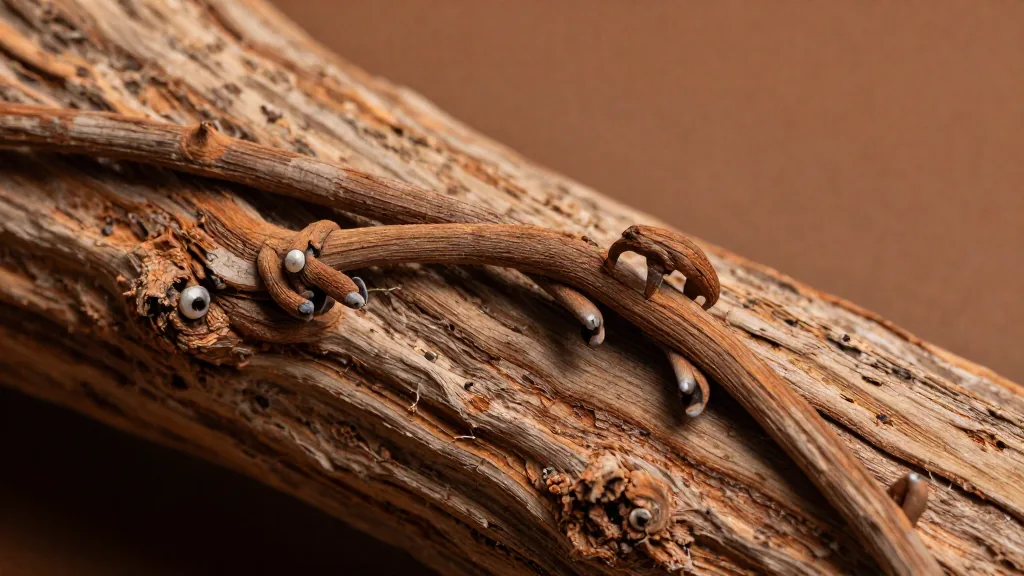
Cat’s claw is a woody vine from the Amazon rainforest that belongs to the Rubiaceae family. The name refers to two distinct plants — Uncaria tomentosa and Uncaria guianensis — that share the same common name, grow in the same region, and are frequently sold under the same label. Buying the wrong one is the single most common reason people report "took it for 3 weeks, nothing happened."
Uncaria tomentosa vs. Uncaria guianensis: the practical difference
- Uncaria tomentosa is the species used in clinical trials. Studies on rheumatoid arthritis, immune function, and inflammatory response all use root bark from this species. If you’re looking for clinical evidence, U. tomentosa is the only one that has it.
- Uncaria guianensis has a different alkaloid profile and almost no clinical data. Traditional Amazonian medicine uses it for acute inflammation and wounds, but no controlled trials support its use for arthritis or immunity. It costs less to produce, which is why some manufacturers substitute it without disclosure.
The concrete problem: if a bottle says only "cat’s claw" without specifying the scientific name, you have roughly a 40–50% chance of buying U. guianensis without knowing it. It’s like ordering ginger and receiving chamomile — same aisle, different result.
Pentacyclic vs. tetracyclic alkaloids: why the ratio matters
The main active compounds in cat’s claw are oxindole alkaloids, divided into two types with opposing effects:
- Pentacyclic oxindole alkaloids (POAs): the therapeutically active fraction. POAs stimulate the immune system, inhibit the NF-κB inflammatory pathway, and are responsible for the documented effects in arthritis research.
- Tetracyclic oxindole alkaloids (TOAs): the functional antagonist. TOAs can block or reduce the absorption of POAs. A high TOA-to-POA ratio means the supplement partially undermines itself.
A quality extract maximizes POAs and minimizes TOAs. A non-standardized or low-cost extract may have an unfavorable ratio — you pay for a supplement that works against its own mechanism.
Tannins and polyphenols are also present and contribute to antioxidant activity, but they are not the primary mechanism for arthritis or immune modulation.
The Evidence by Condition: An Honest Assessment
"Limited evidence" is the phrase that appears three times on WebMD and sends readers away without an answer. A more useful framing: are there real human studies? How large were they? How consistent were the results? Here is what the data actually shows, condition by condition.
Rheumatoid arthritis: the strongest case
The most rigorous evidence comes from a double-blind, placebo-controlled trial published in the Journal of Rheumatology in 2002, involving 40 patients with active rheumatoid arthritis. Patients taking U. tomentosa extract showed statistically significant reductions in the number of painful and swollen joints compared to placebo.
The mechanism: cat’s claw inhibits NF-κB, a central transcription factor in autoimmune inflammation, and reduces TNF-α, a key pro-inflammatory cytokine elevated in RA.
Is this enough to say cat’s claw treats rheumatoid arthritis? No — there are no phase III trials and no direct comparison with methotrexate. But it is not anecdotal evidence either. For context: curcumin has more studies; Boswellia has larger trials. Cat’s claw is not first-line, but it has its own consistent mechanistic and clinical data.
Osteoarthritis: promising but more limited
A pilot study of 45 patients with knee osteoarthritis showed reduced pain during physical activity after supplementation with U. tomentosa extract. However, the same study found no significant changes in resting pain.
The practical implication: if your primary complaint is morning stiffness or pain when climbing stairs, cat’s claw may help. If the problem is constant nighttime pain at rest, the evidence does not support it.
Immune modulation: real effect, overstated promises
Laboratory evidence is consistent. In in vitro and animal models, cat’s claw stimulates phagocytosis and increases production of cytokines including IL-1 and IL-6. The immune-modulating effect is real at the cellular level.
The disconnect: human evidence for specific viral infections — herpes, shingles — is nearly nonexistent. What exists is testimonials, not controlled trials.
Direct verdict: if you want general immune support, better-documented options exist — zinc, vitamin D, and specific probiotic strains. If you’re already taking cat’s claw for arthritis, the immune benefit is a reasonable secondary effect, not the primary reason to take it.
Forms and Species: What to Actually Buy
The form of cat’s claw you take determines how much active compound reaches your bloodstream. This is not a minor variable — it’s the difference between a therapeutic dose and an expensive cup of tea.
Comparative breakdown: cat’s claw forms
| Form | Standardization possible | Bioavailability | Convenience | Relative cost |
|---|---|---|---|---|
| Standardized extract capsule | Yes (POAs ≥3%) | Medium–high | High | Medium |
| Tea / bark decoction | No | Low–variable | Low | Low |
| Tincture (liquid extract) | Partial | Medium | Medium | Medium |
| Liposomal | Yes (when specified) | High (theoretical) | High | High |
Direct recommendation: for a specific condition — arthritis, compromised immunity — the standardized extract capsule is the correct choice. It is the form used in clinical trials, it allows consistent dosing, and it specifies exactly how much POA you are getting per dose.
Tea is useful as a complement or for those who prefer the traditional form, but it is not a reliable primary treatment. Bioavailability varies with brewing time, which part of the plant is used, and volume consumed.
Tincture sits between tea and capsule: more concentrated than tea, less standardized than a capsule.
Liposomal sounds promising in theory. In practice, no clinical data demonstrates superior outcomes for cat’s claw in liposomal form. You pay 40–60% more for a delivery mechanism that has not been tested in this specific application.
5 things to check on the label before buying
- Species specified: must read Uncaria tomentosa, not "cat’s claw" or "Uncaria sp."
- Part of plant: root bark — not leaf or stem. Root bark concentrates the active alkaloids.
- Standardization: "standardized to ≥3% oxindole alkaloids (pentacyclic)" or equivalent. Without this, the alkaloid content is unknown.
- Third-party certification: USP Verified, NSF Certified, or Informed Sport. These seals confirm an independent laboratory verified that the contents match the label.
- TOA-free designation (preferred): "TOA-free" or "standardized to pentacyclic alkaloids only" indicates the manufacturer optimized the POA-to-TOA ratio.
If the bottle does not specify the species, assume you cannot verify what you are buying. If it lists a "proprietary blend" with no individual dose breakdown, move on.
Dosage by Condition: Week-by-Week Realistic Timeline
The real frustration is not "it doesn’t work." It is: "I took this for three weeks and nothing happened — am I taking the right dose? How long should I wait?" Here is the specific answer.
Dosing by condition
| Condition | Recommended daily dose | Preferred form | Minimum duration before evaluating |
|---|---|---|---|
| Rheumatoid arthritis | 60–100 mg standardized extract (POAs) | Capsule | 8 weeks |
| Osteoarthritis | 100 mg extract / 250–350 mg bark powder | Capsule | 6–8 weeks |
| General immune support | 250–500 mg bark powder or 30–60 mg extract | Capsule or tincture | 4–6 weeks |
| General chronic inflammation | 60–100 mg standardized extract | Capsule | 8–12 weeks |
These doses reflect the ranges used in available clinical trials and established integrative medicine protocols. The difference between "standardized extract" and "bark powder" is critical: standardized extract is 5–10 times more concentrated, which is why the milligram dose is much lower.
Realistic week-by-week timeline
Weeks 1–2: No noticeable change for most people. This is completely normal. The anti-inflammatory mechanisms of cat’s claw are cumulative, not acute. Inflammatory pathways are modulated gradually — they are not switched off in days.
Weeks 3–4: Possible mild reduction in morning stiffness for arthritis users, or a subjective improvement in energy for those using it for immune support. Neither effect is universal at this stage.
Weeks 6–8: The real evaluation window. If there is no measurable change at the correct dose with Uncaria tomentosa extract, the supplement is unlikely to be effective for your specific case.
Weeks 8–12: If improvement has occurred, maximum observable effect typically appears in this range. Changes after 12 weeks are incremental.
The "back to normal by the next day" effect described on YouTube likely reflects the acute pain-relieving properties of tannins — which have astringent and mild analgesic properties — rather than the primary anti-inflammatory mechanism. It may also be placebo. Both are real phenomena, but neither is what you are trying to measure over 8 weeks.
Want to know if cat’s claw is compatible with your current medications? Check our drug interaction guide.
Drug Interactions and Safety: Non-Negotiables Before You Start
If you take prescription medications, this section is required reading before purchasing. The interactions below are based on known pharmacological mechanisms, not theoretical caution.
Drug interaction matrix
| Medication / Class | Interaction mechanism | Risk level |
|---|---|---|
| Warfarin / oral anticoagulants | Cat’s claw may potentiate anticoagulant effect → increased bleeding risk | 🔴 Avoid without medical supervision |
| Aspirin (therapeutic dose) | Additive antiplatelet effect | 🟡 Use caution |
| Cyclosporine / systemic immunosuppressants | Cat’s claw is immunostimulating — directly opposes immunosuppression | 🔴 Contraindicated |
| Antihypertensives (ACE inhibitors, beta blockers) | Possible additive blood pressure-lowering effect | 🟡 Monitor blood pressure |
| CYP3A4-metabolized drugs (statins, some antifungals, certain antihistamines) | Mild CYP3A4 inhibition → may elevate plasma drug levels | 🟡 Check with pharmacist |
| Antacids / proton pump inhibitors | No known significant interaction | 🟢 Low risk |
| Metformin | No known interaction | 🟢 Low risk |
Priority warning: if you take warfarin or any oral anticoagulant, do not start cat’s claw without consulting your doctor or pharmacist. The increased bleeding risk is documented, not theoretical.
If you take cyclosporine or any immunosuppressant following organ transplant, cat’s claw is contraindicated. The supplement’s primary mechanism — immune stimulation — directly opposes the purpose of immunosuppressive therapy.
Who should not take cat’s claw
- Pregnant or breastfeeding women: contraindicated. Animal model data shows effects on uterine muscle contractility.
- Transplant recipients or anyone on immunosuppressive therapy: contraindicated (see matrix above).
- People with uncontrolled active autoimmune conditions: use caution. Cat’s claw modulates immune activity and could exacerbate uncontrolled autoimmunity.
- Anyone scheduled for surgery: stop cat’s claw at least 2 weeks before the procedure due to potential anticoagulant effects.
Side effects: common vs. rare
- Common (mild): gastrointestinal upset and mild nausea, particularly on an empty stomach. Taking cat’s claw with food resolves this in most cases.
- Uncommon: headache during the first 1–2 weeks of use. Typically transient and self-resolving.
- Rare but documented: low blood pressure in individuals already taking antihypertensive medications.
The overall safety profile is good for people without the contraindications listed above.
Cat’s Claw vs. Alternatives: Where It Fits
The unspoken question behind most supplement research is: "Is this better than what I’m already taking?" Here is an honest comparison with the three supplements that occupy the same clinical niche.
Cat’s claw vs. curcumin vs. Boswellia vs. MSM
| Supplement | Best evidence for | Evidence level | Combines well with cat’s claw? |
|---|---|---|---|
| Cat’s claw (U. tomentosa) | RA, osteoarthritis, immunity | ⭐⭐⭐ | — |
| Curcumin (turmeric) | General inflammation, OA, gut pain | ⭐⭐⭐⭐ | Yes — complementary mechanisms |
| Boswellia | Osteoarthritis, Crohn’s, joint inflammation | ⭐⭐⭐⭐ | Yes — no known interactions |
| MSM (methylsulfonylmethane) | Joint pain, OA, flexibility | ⭐⭐⭐ | Yes — no confirmed synergy data |
Curcumin has more large-scale human trials and is likely more effective for general inflammation. If curcumin hasn’t worked for you or you don’t tolerate it, cat’s claw operates through a different mechanism and is a reasonable alternative.
Boswellia has particularly strong evidence for osteoarthritis — larger and better-controlled trials than cat’s claw. If knee or hip OA is your primary concern, Boswellia has a stronger evidence base. The two can be combined without known pharmacological conflict.
MSM is frequently paired with cat’s claw in YouTube recommendations. No confirmed synergy data exists, but no safety red flags either. The combination is not better-proven than each supplement used individually.
Read also: MSM for arthritis — what the evidence actually shows (internal link)
How to Buy Smart: Quality Checklist
The tension behind "£30 for something not FDA-approved?" has a direct answer. FDA approval applies to drugs, not dietary supplements. The regulatory framework for supplements is different — which means quality control varies by brand, and you need to know which independent standards to use as a substitute.
Red flags on a cat’s claw label
- 🚩 Species not specified (Uncaria tomentosa or U. guianensis not named)
- 🚩 "Proprietary blend" with no individual dose breakdown
- 🚩 No alkaloid standardization — just "cat’s claw extract" with no further detail
- 🚩 No third-party certification (USP, NSF, or Informed Sport)
- 🚩 Claims of "cure" or "treatment" — these are illegal claims for supplements and signal a brand that does not follow regulatory guidelines
- 🚩 Price below $0.10 per capsule — insufficient margin to source and test quality raw material
What a quality label looks like
A legitimate cat’s claw supplement label should include all of the following:
- Scientific name: Uncaria tomentosa (Willd.) DC.
- Part of plant: Root bark extract
- Standardization: Standardized to 3% pentacyclic oxindole alkaloids
- Dose per capsule: 300 mg extract (equivalent to approximately 1,500 mg dried plant)
- Certification: NSF Certified for Sport or USP Verified
- Inactive ingredients: Complete list with no unidentified fillers
A label that includes all six elements gives you high confidence that the capsule contains what it claims.
Practical Verdict: Should You Take Cat’s Claw?
If you have rheumatoid arthritis and other supplements have not produced results, or you are building a multimodal anti-inflammatory approach, cat’s claw has real clinical evidence behind it. It is worth a structured trial. Allow 8 weeks before evaluating.
If you have osteoarthritis, cat’s claw is a reasonable option, but Boswellia and curcumin have equally strong or stronger evidence. Consider which fits your specific symptom pattern — pain during activity versus resting pain — before choosing.
If you want general immune support without a diagnosed condition, better-documented options exist: zinc, vitamin D, and specific probiotic strains. Cat’s claw is not a poor choice, but it is not the first-line option for this goal.
If you take anticoagulants, immunosuppressants, or have an uncontrolled active autoimmune condition, do not start cat’s claw without medical consultation. This is not a precautionary disclaimer — it is a pharmacological reality.
The most common reasons cat’s claw "fails": wrong species purchased, results expected within 2 weeks, or interactions with existing medications not checked. Correct all three before concluding the supplement doesn’t work.
Before you buy, check our breakdown of the best cat’s claw supplements tested for quality and standardization. (internal link)
Frequently Asked Questions
How long does cat’s claw take to work?
A: Cat’s claw requires 6–8 weeks of consistent use before effects can be reliably evaluated. Anti-inflammatory mechanisms are cumulative, not acute. If no change is observed after 8–10 weeks at the correct dose of Uncaria tomentosa standardized extract, the supplement is unlikely to be effective for that individual.
What is the best form of cat’s claw to take?
A: Standardized extract capsules of Uncaria tomentosa, standardized to ≥3% pentacyclic oxindole alkaloids, are the most reliable form. Capsules provide consistent dosing and are the form used in clinical trials. Teas and tinctures have variable alkaloid content and are less suitable for therapeutic use.
Can I take cat’s claw with ibuprofen or aspirin?
A: Aspirin at therapeutic doses carries moderate risk due to additive antiplatelet effects — monitor for unusual bruising. Ibuprofen has no known major interaction with cat’s claw, but combining multiple anti-inflammatory agents long-term is not recommended without medical supervision.
Is cat’s claw safe for long-term use?
A: Clinical studies up to 12 weeks show a good safety profile. Data beyond 6 months is limited. A common integrative medicine approach is cycling — 8–12 weeks on, followed by a 4-week break — though this specific protocol lacks direct clinical evidence.
What is the difference between Uncaria tomentosa and Uncaria guianensis?
A: Uncaria tomentosa is the species with clinical evidence for arthritis and immune function. Uncaria guianensis is used in traditional Amazonian medicine but has very few controlled human studies. Quality supplements always specify U. tomentosa on the label.
Can cat’s claw help with autoimmune conditions?
A: Cat’s claw is an immune modulator, not a simple stimulant, and some integrative practitioners use it in autoimmune protocols. However, if you take immunosuppressants such as cyclosporine, cat’s claw is contraindicated — its immune-stimulating effect directly opposes the purpose of that medication.
Is cat’s claw FDA approved?
A: No. Like all dietary supplements in the US, cat’s claw is not approved as a drug treatment. This reflects the regulatory category, not a judgment on efficacy. Third-party certifications — NSF Certified, USP Verified — are the practical quality standard to use when evaluating brands.
Related guides
Ready to try it? See Ground Rise Cat’s Claw extract →