
Best Cat’s Claw Supplement 2026: Brand Comparison
 Ground Rise
⏱ 18 min read · Cat’s Claw guide
Best Cat’s Claw Supplement 2026: Brand Comparison — what you need to know before taking it.
Looking for the product? Ground Rise Cat’s Claw extract is single-origin Peruvian Uncaria tomentosa, standardized to 3% POAs. Join the notify list →
Three bottles. Same label. Same "500 mg." Completely different results.
That’s the cat’s claw problem—and it’s why most people either give up on the herb or waste months on a product that was never going to work.
This guide closes that gap. By the end, you’ll know which brand to buy, the right dose for your condition, and the five label markers that separate a real extract from expensive plant powder.
Why Most Cat’s Claw Supplements Fail Before You Open the Bottle
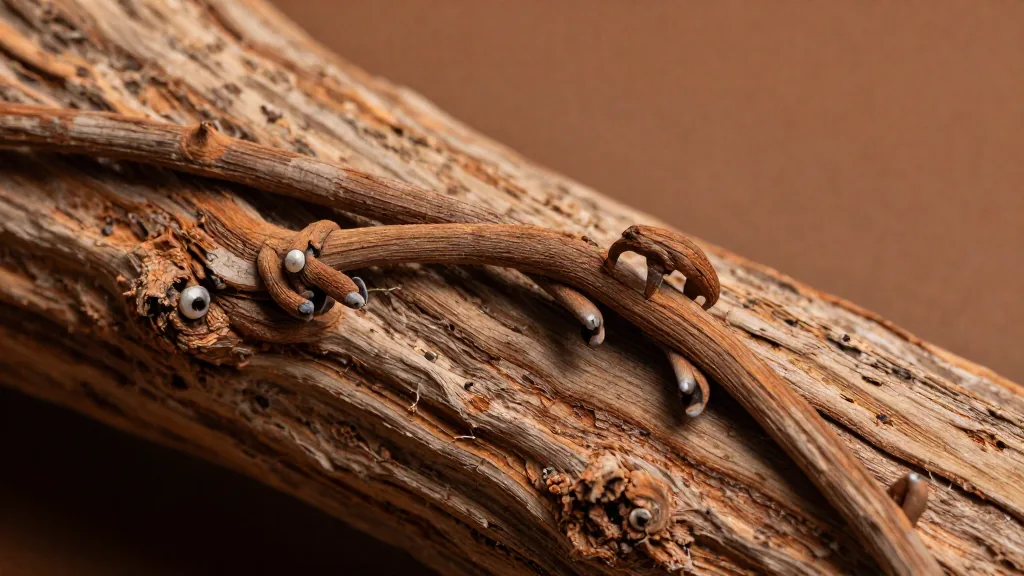
Most cat’s claw supplements fail because two products labeled "500 mg" can contain completely different concentrations of active compounds—and the labels are designed to hide that.
One product might be a concentrated inner bark extract with measurable alkaloids. The other might be ground-up cortex with no standardization whatsoever. The labels look nearly identical. The prices might differ by $0.10 per capsule. But one is a legitimate supplement and the other is expensive plant powder.
The five quality markers below tell them apart.
The Species Problem — Uncaria tomentosa vs Uncaria guianensis (and the 12 Impostors)
***Uncaria tomentosa* is the only cat’s claw species with human clinical trials—and it is not the only plant sold under that name.**
The gold standard is Uncaria tomentosa, native to high-altitude Peru (above 500 meters). Uncaria guianensis grows at lower altitudes in South America. It has a different phytochemical profile and virtually no human clinical data, yet it is sometimes sold as cat’s claw because the marketing term "una de gato" applies to both species.
The problem runs deeper than two species. One supplement researcher documented that at least 12 different and unrelated herbs have been marketed as "una de gato." This is a documented problem of mislabeling and supply chain adulteration—not hyperbole.
The practical rule: Check the Latin binomial on the label. No Uncaria tomentosa? Skip it.
The Standardization Gap — Why "500 mg" on the Label Means Almost Nothing
Standardization is the only number on a cat’s claw label that predicts potency—not the milligram weight.
A 500 mg capsule could contain either of these:
- 500 mg of a concentrated extract standardized to 3% oxindole alkaloids (~15 mg of active alkaloids per capsule)
- 500 mg of raw, powdered bark with no active compounds quantified—possibly 0.5–2 mg of alkaloids per capsule
Both say "500 mg" on the label. One delivers up to 10x more active alkaloids than the other. The question that matters is not "how many mg?" but "how many mg of what?"
The Active Compounds That Actually Matter — And How to Read Them on the Label

Two standardization formats appear on quality cat’s claw labels: oxindole alkaloids and carboxy alkyl esters (AC-11). Each corresponds to a different body of research.
You do not need a chemistry degree to choose correctly. Here is what each format means and when to use it.
Standard #1: Oxindole Alkaloids — The Proven Baseline
Oxindole alkaloids—pteropodine, isopteropodine, mitraphylline—are the primary active compounds in most commercial cat’s claw products and the basis of most arthritis research.
Human clinical trials using alkaloid-standardized extracts document inhibition of TNF-α (a key driver of joint inflammation) and modulation of cytokine signaling. This is a legitimate quality marker.
What to look for on the label: "Standardized to ≥3% oxindole alkaloids"
For arthritis or general immune support, alkaloid standardization is sufficient. NOW Foods Cat’s Claw Extract uses this format.
Standard #2: AC-11 / Carboxy Alkyl Esters — The Current Research Focus
AC-11 (also marketed as Samento Inner Bark or C-Med 100) is a proprietary Uncaria tomentosa inner bark extract standardized to carboxy alkyl esters, including quinic acid esters—the format used in human studies on DNA repair and BDNF.
BDNF (brain-derived neurotrophic factor) is a growth factor critical for neuroplasticity. The mechanism: carboxy alkyl esters inhibit NF-κB, a master regulator of inflammatory signaling. Chronic NF-κB activation drives arthritis, cognitive decline, and immune dysregulation.
What to look for on the label: "AC-11," "C-Med 100," or "standardized to carboxy alkyl esters"
Designs for Health uses this format—at approximately 4x the price of alkaloid-standardized products.
Are alkaloids and AC-11 the same thing? No. Both come from Uncaria tomentosa inner bark, but they are distinct compound classes. Alkaloids are one active fraction; carboxy alkyl esters are another. AC-11 specifically concentrates the ester fraction. Think of it as the difference between a multivitamin and a targeted B-complex: both have value, but one is more specific.
The Simple Decision
For arthritis and immune support: Alkaloid standardization (≥3%) is sufficient. NOW Foods uses this format at ~$12–15/month.
For cognitive support or DNA repair research: AC-11/carboxy alkyl esters is the format used in relevant studies. Designs for Health uses this format at ~$40–60/month.
Bottom line: Both work. The question is whether the premium is justified for your specific goal.
Polyphenols, Tannins, and Flavonoids — Supporting Cast, Not the Lead
Polyphenols, tannins, and flavonoids in cat’s claw contribute antioxidant activity but are not reliable quality markers—they are present in hundreds of plants.
These compounds are not specific to cat’s claw and do not distinguish a potent extract from a weak one. Do not use polyphenol or tannin percentages as a purchasing criterion. Focus on alkaloid or carboxy alkyl ester standardization instead.
Safety and Interactions — Read This Before You Buy Anything
If you take any prescription medication or have a chronic condition, read this section before purchasing. It takes 3 minutes and could prevent a clinically significant problem.
Drug Interactions — The Three Categories That Matter
1. Anticoagulants and Antiplatelet Drugs
Cat’s claw may slow blood clotting, increasing bleeding risk when combined with anticoagulant or antiplatelet medications.
Affected medications include:
- Warfarin (Coumadin)
- Apixaban (Eliquis)
- Clopidogrel (Plavix)
- Aspirin at therapeutic doses
What to do: Consult your doctor before using cat’s claw if you take warfarin or other anticoagulants. Some practitioners recommend avoiding it entirely; others allow use under supervision with INR monitoring. Stop cat’s claw at least 2 weeks before any surgery.
2. Antihypertensive Medications
Some cat’s claw alkaloids have mild vasodilatory effects that may potentiate blood pressure medications, lowering pressure further than intended.
Affected medications include ACE inhibitors (lisinopril, enalapril), beta-blockers (metoprolol, atenolol), calcium channel blockers (nifedipine, diltiazem), and diuretics.
What to do: If blood pressure is well-controlled on a single medication, normal doses of cat’s claw are unlikely to cause problems—but monitor your blood pressure when adding it. If you take 3 or more antihypertensives or have orthostatic hypotension, consult your doctor first.
3. Immunosuppressive Medications
This is the most clinically significant interaction: cat’s claw modulates immune function and may work against drugs designed to suppress the immune system.
Affected medications include methotrexate, cyclosporine, biologic immunosuppressants (TNF inhibitors), and systemic corticosteroids at high doses.
What to do: Do not use cat’s claw if you are an organ transplant recipient without explicit medical approval. If you have rheumatoid arthritis managed with methotrexate or biologics, discuss cat’s claw with your rheumatologist before starting.
Populations Who Should Avoid Cat’s Claw Entirely
The following groups should not use cat’s claw:
- Pregnant and nursing women: Animal studies suggest possible uterotonic activity; safety data is insufficient.
- Children under 12: No pediatric safety studies exist.
- People with active autoimmune conditions on immunosuppressive treatment: Lupus, MS, RA on biologics. Immune modulation could interfere with treatment.
- People with bleeding disorders: Hemophilia, thrombocytopenia. The antiplatelet activity, however mild, adds unnecessary risk.
- Anyone scheduled for surgery within 2 weeks: Stop at least 14 days before any procedure.
5 Label Red Flags (and Green Flags) Before You Buy
A quality cat’s claw label has 5 identifiable markers. Run any product through this checklist in 30 seconds before purchasing.
Green Flags — What a Quality Label Looks Like
-
Species declared: The label states Uncaria tomentosa, not just "cat’s claw" or "una de gato." No Latin binomial means the company either doesn’t know or doesn’t care what species they’re selling.
-
Plant part specified: Look for "inner bark" or "root bark." Inner bark contains the highest concentration of active alkaloids and quinic acid esters. Avoid products listing "aerial parts" or no plant part at all.
-
Standardization declared: The label states "standardized to ≥3% oxindole alkaloids" OR "standardized to carboxy alkyl esters (AC-11/C-Med 100)." No standardization claim means you are buying powder, not extract.
-
Third-party certification present: Look for at least one of: GMP (Good Manufacturing Practice), USP Verified, NSF, or Informed Sport. Independent lab verification confirms that what is in the bottle matches what is on the label.
-
Extract ratio declared: Products should state something like "4:1 extract" or "10:1 extract" with the equivalent mg of dried plant material. No ratio listed usually indicates raw powder.
Red Flags — Walk Away From These
-
"Cat’s claw" with no Latin name: You cannot verify which species you are getting—it could be U. tomentosa, U. guianensis, or one of the 12 unrelated herbs sold under the same name.
-
"Proprietary blend" without individual mg amounts: A red flag across all supplement categories. It means the company is hiding the actual dose of each ingredient—usually because it is embarrassingly low.
-
Doses of 50–100 mg with no extract ratio explanation: Without a concentration ratio, this is likely raw powder. A 100 mg capsule of unstandardized powder is not equivalent to 100 mg of a 10:1 extract.
-
No GMP certification or third-party testing: The FDA does not regulate supplements the way it regulates drugs. Without independent verification, there is no quality assurance that the product is what it claims to be.
-
Disease treatment claims: Legitimate supplement companies know the FDA prohibits claims that a product "treats" or "cures" a disease. A brand making those claims is either uninformed or deliberately non-compliant—both signal a company that cuts corners elsewhere.
Best Cat’s Claw Supplements — Brand Comparison Table (2025)
Four brands meet the minimum quality standards for cat’s claw supplements in 2025. They differ primarily in standardization format, delivery technology, and price.
Comparison Table — At a Glance
| Brand | Species | Plant Part | Standardization | Certification | Format | Approx. Price/Month | Best For |
|---|---|---|---|---|---|---|---|
| NOW Foods Cat’s Claw Extract | U. tomentosa | Inner bark | 3% alkaloids | GMP, Non-GMO | Veg capsule (500 mg) | ~$12–15 | Most buyers; arthritis & immunity |
| Life Extension Cat’s Claw Bark 500mg | U. tomentosa | Bark | None declared | GMP | Capsule | ~$6–10 | Budget-conscious; general support |
| Best Naturals Cat’s Claw 500mg | U. tomentosa | Bark | None declared | GMP | Capsule | ~$6–8 | Budget option; lowest cost |
| Designs for Health Cat’s Claw (Liposomal) | U. tomentosa | Inner bark | AC-11/carboxy alkyl esters | GMP, NSF | Liposomal softgel | ~$40–60 | Bioavailability-focused; digestive issues |
Prices vary by retailer and package size. Verify current pricing and availability before purchase.
NOW Foods Cat’s Claw Extract — Best Overall for Most Buyers
NOW Foods Cat’s Claw Extract is the best default choice because it combines standardization (3% total alkaloids), species transparency (Uncaria tomentosa inner bark), GMP certification, and third-party testing at ~$12–15/month.
NOW Foods is one of the most transparent large-format supplement manufacturers in the US market. The vegetable capsule format suits most diets. At roughly $12–15 per month for a standard dose, it is affordable without being suspiciously cheap.
Honest assessment: This product uses alkaloid standardization, not the AC-11/carboxy alkyl ester format. Human studies on DNA repair and BDNF do not directly apply to this specific product—though the alkaloid activity for arthritis and immune support is well documented in clinical trials.
Best for: People with arthritis or general immune support who want a reliable, standardized extract without paying a premium for liposomal technology.
Where to buy: Amazon, NOW Foods official site, most major supplement retailers.
Designs for Health Cat’s Claw (Liposomal) — Best for Bioavailability-Focused Buyers
Designs for Health uses liposomal delivery and AC-11 standardization—the format used in research on DNA repair and BDNF—making it the closest commercially available product to what was actually studied.
Liposomal technology encapsulates active compounds in lipid bilayers designed to improve cellular absorption. Quinic acid esters have some lipophilicity, making the theoretical case for liposomal delivery sound.
Honest assessment: No head-to-head human studies compare liposomal cat’s claw to standard extracts directly. The absorption advantage is plausible but not proven in controlled trials. At $40–60/month—approximately 4x the cost of NOW Foods—the premium is justified only in specific circumstances.
Best for: Users with compromised digestion that impairs absorption, those who have tried standardized alkaloid extracts without results, or people specifically targeting the AC-11 format for cognitive or DNA repair applications.
Where to buy: Designs for Health official site (professional-grade), select integrative health practitioners.
Life Extension and Best Naturals — When Price Matters More Than Standardization
Life Extension Cat’s Claw Bark 500mg and Best Naturals Cat’s Claw 500mg both use Uncaria tomentosa and carry GMP certification, but neither declares standardization—meaning alkaloid content per capsule is unpredictable.
One batch might contain 2 mg of alkaloids; another might contain 5 mg. The company is not testing or guaranteeing consistency. This is why one user reports results and another sees nothing from the same product—they may be getting completely different potencies.
When these make sense:
- You are combining cat’s claw with other anti-inflammatory herbs and want a general-support approach
- Budget is the primary constraint and you prefer trying something affordable over nothing
- You have already tried standardized extracts and want to experiment with a different format
Limitation: Batch inconsistency makes it impossible to determine whether cat’s claw is ineffective for you or whether you simply received a weak batch.
Where to buy: Amazon, Vitacost, iHerb.
Quick Decision Guide — What to Buy for Your Situation
Choose your cat’s claw supplement based on your primary condition, medication status, and budget.
| Your situation | Recommended product | Monthly cost |
|---|---|---|
| Arthritis, no special medications | NOW Foods Cat’s Claw Extract | ~$12–15 |
| Arthritis + anticoagulants | Consult doctor first, then NOW Foods | ~$12–15 |
| Arthritis, want the best available | Designs for Health Liposomal (AC-11) | ~$40–60 |
| General immune support | NOW Foods Cat’s Claw Extract | ~$12–15 |
| Cognitive support / BDNF research | Designs for Health Liposomal (AC-11) — experimental | ~$40–60 |
| Tight budget, willing to accept variability | Best Naturals or Life Extension | ~$6–10 |
Dosing by Condition — What to Take and How Much
Cat’s claw dosing depends on your condition: the clinical dose for arthritis differs from the dose for general immunity, which differs from the experimental dose for cognitive support.
Have arthritis? Jump straight to the osteoarthritis section below.
Osteoarthritis and Rheumatoid Arthritis — The Best-Supported Use Case
Arthritis is the use case with the strongest clinical evidence for cat’s claw. Multiple human trials have tested Uncaria tomentosa for both osteoarthritis and rheumatoid arthritis, using doses of 60–100 mg/day of standardized extract.
If you use NOW Foods Cat’s Claw Extract (500 mg capsules, 3% alkaloids), each capsule delivers approximately 15 mg of alkaloids. One capsule daily provides the lower end of the clinically studied dose range.
Practical protocol:
- Weeks 1–2: Take 60 mg/day (1 capsule of standardized extract) to assess tolerance
- Weeks 3–6: Maintain 60 mg/day and monitor joint pain, stiffness, and mobility
- Weeks 7–8: If improvement is present, continue. If no change, increase to 100 mg/day (2 capsules) for 4 more weeks
- Week 12: If no improvement at the correct dose of a standardized extract, switch to AC-11-standardized extract or consult a practitioner
Important: Research shows measurable improvements in pain and swelling at 4–6 weeks of continuous use. Some people respond at 3 weeks; others need 8–12. Do not evaluate results before 4 weeks.
For rheumatoid arthritis specifically: The mechanism—NF-κB inhibition, TNF-α reduction—is the same as for osteoarthritis, but a critical safety consideration applies. If you take immunosuppressive drugs (methotrexate, biologics, corticosteroids), cat’s claw’s immune-modulating activity could interfere with treatment. Consult your rheumatologist before starting.
Immune Modulation — Dosing for General Immune Support
For general immune support, the standard dose is 250–500 mg/day of standardized extract, or 1–3 g/day of unstandardized powder (not recommended).
"Immune modulation" does not mean "immune boosting." Cat’s claw helps regulate inflammatory signaling—it does not simply amplify immune activity. For most healthy adults, this is beneficial. For people with autoimmune conditions, modulating immunity without supervision can be counterproductive.
Rule: If you have an autoimmune condition, do not use cat’s claw for immune support without medical supervision.
Cognitive Support and BDNF — Emerging Use, Lower Evidence
The research showing cat’s claw increases BDNF and supports DNA repair is real, but it is primarily in vitro and animal data. Human clinical trials on cat’s claw for cognition are virtually nonexistent.
One small human study suggested memory benefits, but it was underpowered and has not been replicated. If you choose to explore this use:
- Format: Use AC-11 or C-Med 100 standardized extract—the format closest to what was used in laboratory studies
- Dose: 100–350 mg/day for 8–12 weeks
- Tracking: Keep a simple log of the cognitive metrics you care about—memory, focus, processing speed, mood
- Expectation: This is experimental. A single herb is unlikely to produce transformative cognitive effects
Cycling and Timing — Practical Protocol
Cat’s claw can be taken continuously at normal doses; cycling (8 weeks on, 2 weeks off) is a conservative precautionary practice, not an evidence-based requirement.
Additional practical guidelines:
- Take with food. Cat’s claw can cause mild gastrointestinal upset on an empty stomach.
- Split doses above 100 mg/day. For example: 50 mg with breakfast, 50 mg with lunch.
- Timing is flexible. No specific time of day is critical—consistency matters more than timing.
- Combining with other supplements: Cat’s claw pairs well with turmeric, ginger, and boswellia for anti-inflammatory protocols. Avoid combining with other antiplatelet supplements (high-dose fish oil, ginkgo, garlic extract) without medical oversight.
- Do not combine with immunosuppressive medications without consulting your doctor.
The Honest Bottom Line on Evidence
The NCCIH states there is no conclusive scientific evidence from human studies supporting cat’s claw for any health purpose—and that statement is accurate. It is not the full picture.
Absence of evidence is not evidence of absence. Cat’s claw has a reasonable safety profile at normal doses in healthy adults. The biological mechanisms are documented in peer-reviewed literature: NF-κB inhibition, TNF-α reduction, BDNF upregulation. These are not hypothetical.
The practical question is not whether cat’s claw can work. It is whether cat’s claw will work for your specific condition, at the dose you are taking, in the format you are using.
- For arthritis: Odds of benefit are moderate to decent, based on multiple small human trials.
- For general immunity: Evidence is moderate; mechanism is plausible.
- For cognitive enhancement: Evidence is insufficient; this remains experimental.
Cat’s claw is a complement to medical treatment—not a replacement. If you see no results in 8–12 weeks at the correct dose of a standardized extract, accept that it is not the right intervention for you and move on.
FAQ
What is the difference between Uncaria tomentosa and Uncaria guianensis?
Uncaria tomentosa is the species with the most clinical research, native to high-altitude Peru. Uncaria guianensis grows at lower altitudes and has a different chemical composition with almost no human studies. Always buy Uncaria tomentosa—it is the only species with documented clinical evidence for arthritis and immune support.
What does "standardized" mean on a cat’s claw label?
Standardization guarantees a minimum concentration of a specific active compound in every batch. For cat’s claw, look for "≥3% oxindole alkaloids" or "carboxy alkyl esters (AC-11/C-Med 100)." Without standardization, potency varies batch to batch—making it impossible to know whether a lack of results reflects the herb or simply a weak batch.
How long does cat’s claw take to work?
Clinical studies for arthritis show measurable improvements at 4–6 weeks of continuous use. Some people respond at 3 weeks; others need 8–12. Do not evaluate results before 4 weeks. If no improvement appears after 8 weeks at the correct dose of a standardized extract, that format is unlikely to work for you.
Can I take cat’s claw with ibuprofen or naproxen?
No serious interaction is documented, but both NSAIDs and cat’s claw have antiplatelet effects, which theoretically increases bleeding risk slightly when combined. If you take NSAIDs regularly for arthritis, mention cat’s claw to your doctor or pharmacist—especially if you have a history of stomach ulcers.
Is liposomal cat’s claw actually better absorbed?
Liposomal technology encapsulates nutrients in lipid bilayers to improve cellular absorption. For quinic acid esters, which have some lipophilicity, the mechanism is plausible. However, no human studies directly compare liposomal cat’s claw to standard extracts. The premium is justified if you have digestive issues or if standard extracts have not worked—not as a first purchase.
Does cat’s claw work for rheumatoid arthritis or only osteoarthritis?
Small clinical trials exist for both conditions. The mechanism—NF-κB inhibition, TNF-α reduction—applies to both. The key difference: rheumatoid arthritis is typically managed with immunosuppressive drugs. Cat’s claw’s immune-modulating activity may interfere with methotrexate or biologics. Consult your rheumatologist before adding cat’s claw to an RA treatment protocol.
Can I take cat’s claw with blood pressure medication?
Likely yes, with monitoring. Some cat’s claw alkaloids have mild vasodilatory effects. If you take ACE inhibitors, beta-blockers, or calcium channel blockers, normal doses are unlikely to cause problems—but monitor your blood pressure when adding cat’s claw. If you take 3 or more antihypertensives or have orthostatic hypotension, consult your doctor first.
What should I do if cat’s claw upsets my stomach?
Always take cat’s claw with food, never on an empty stomach. If upset persists, split the dose—half in the morning, half in the evening, both with meals. If splitting doses does not resolve the issue, try a liposomal format, which some people tolerate better. Persistent gastrointestinal intolerance suggests cat’s claw may not be suitable for you.
What is the difference between "cat’s claw bark" and "cat’s claw inner bark"?
Inner bark contains higher concentrations of active alkaloids and quinic acid esters than outer bark. If the label specifies "inner bark," you are getting a more potent product. If it states only "bark" without specification, the plant part used is unknown. Choose products that explicitly state "inner bark."
Should I buy the cheapest cat’s claw available?
Buy the cheapest standardized option—not the cheapest product overall. A $6 bottle of unstandardized powder may deliver 1/10th the active alkaloids of a $12 standardized extract. Spending less on an ineffective product wastes both money and the 8–12 weeks needed to evaluate results. NOW Foods Cat’s Claw Extract is the best balance of quality and price for most buyers.
Final Thoughts
Choosing the right cat’s claw supplement requires knowing three things: the correct species (Uncaria tomentosa), the right standardization format for your condition, and the dose range used in clinical research.
Armed with the species difference, what standardization actually means, the 5 quality markers to look for, and the correct dose for your condition, you can make this decision with confidence instead of guesswork.
Start here: NOW Foods Cat’s Claw Extract for reliable quality at ~$12–15/month. Step up to Designs for Health liposomal if you want the AC-11 format and can justify the cost. Avoid unstandardized powders and any product without third-party testing.
Give whatever you choose 8–12 weeks at the correct dose before deciding whether it works. If you take any prescription medication—especially blood thinners or immunosuppressants—talk to your doctor before adding cat’s claw.
The herb works for some people, at the right dose, in the right form. Now you know exactly how to give it a real chance.
Related guides
Ready to try it? See Ground Rise Cat’s Claw extract →