

Cat’s Claw Evidence: What Research Actually Shows
 Ground Rise
⏱ 20 min read · Cat’s Claw guide
Cat’s Claw Evidence: What Research Actually Shows — what you need to know before taking it.

Looking for the product? Ground Rise Cat’s Claw extract is single-origin Peruvian Uncaria tomentosa, standardized to 3% POAs. Join the notify list →
Cat’s claw (Uncaria tomentosa) is an Amazonian vine whose bark contains oxindole alkaloids that inhibit NF-κB, the master regulator of inflammation. That mechanism is real and documented. The gap between what the science shows and what the marketing promises, however, is enormous.
This guide covers the active compounds, how they act at the cellular level, which conditions have genuine human evidence versus folklore, and whether cat’s claw is safe for your specific situation. By the end, you will have the information to make an informed decision with your doctor—not because someone on the internet said it works, but because you understand the mechanism and its limits.
What Exactly Is Cat’s Claw? (And Why Two Plants Share the Name)
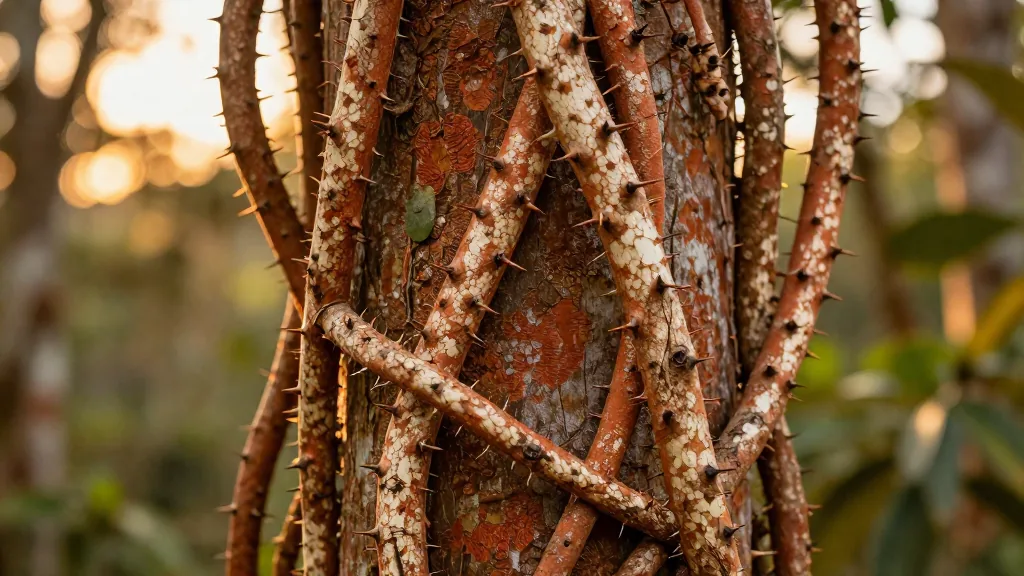
Cat’s claw is a woody vine native to the rainforests of Peru, Ecuador, and the broader Amazon basin. The name comes from its curved thorns, which hook onto other trees as the vine climbs toward the canopy. The part used medicinally is the inner bark of the root and vine—not the leaves, not the fruit.
Indigenous Amazonian peoples used the bark and roots to treat arthritis, infections, and digestive problems for centuries. Spanish conquistadors documented its use in the 1500s. Cat’s claw did not reach Western medicine until the 1970s, when Peruvian herbalists introduced it to Europe. By the 1990s, it was appearing in North American health food stores, often marketed as a cure-all for inflammation and immune dysfunction.
U. tomentosa vs. U. guianensis — Why the Species Difference Matters
"Cat’s claw" refers to two distinct plant species from the genus Uncaria. They are not biochemically identical, and confusing them is one of the most common mistakes buyers make.
- Uncaria tomentosa appears in roughly 70% of commercial supplements and dominates the scientific literature because it has been more extensively cultivated and studied.
- Uncaria guianensis is found in other parts of the Amazon and has a different alkaloid profile—higher in pentacyclic oxindole alkaloids compared to U. tomentosa‘s tetracyclic alkaloids.
When a study reports that "cat’s claw reduces joint pain by 50%," researchers are almost always studying U. tomentosa. Those results do not automatically transfer to U. guianensis. Check the label for the species name. Reputable brands list it. If they do not, the manufacturer is prioritizing cost over transparency.
Forms Available — Tea, Capsules, Extract, Topical Gel
Cat’s claw is sold in four main forms. They are not equally effective.
- Bark tea: The traditional preparation—simmer dried bark for 10–15 minutes and drink. Inexpensive and authentic to indigenous use, but the concentration of active compounds varies widely depending on brew time, water temperature, and bark quality.
- Standardized extract capsules: The form used in most clinical trials. Manufacturers extract the active compounds and standardize them to a specific percentage—usually 3% oxindole alkaloids. This consistency is why capsules are preferred for research.
- Topical gel: Applied directly to joints. Evidence for topical cat’s claw is extremely limited; most studies use oral administration.
- Liposomal formulations: A newer technology that wraps active compounds in lipid particles to improve absorption. The theory is sound, but human clinical data remain preliminary. The premium price has not yet been justified by rigorous trials.
This article focuses on oral forms—tea and capsules—because that is where the evidence lives.
The Active Compounds — What’s Actually Inside the Bark
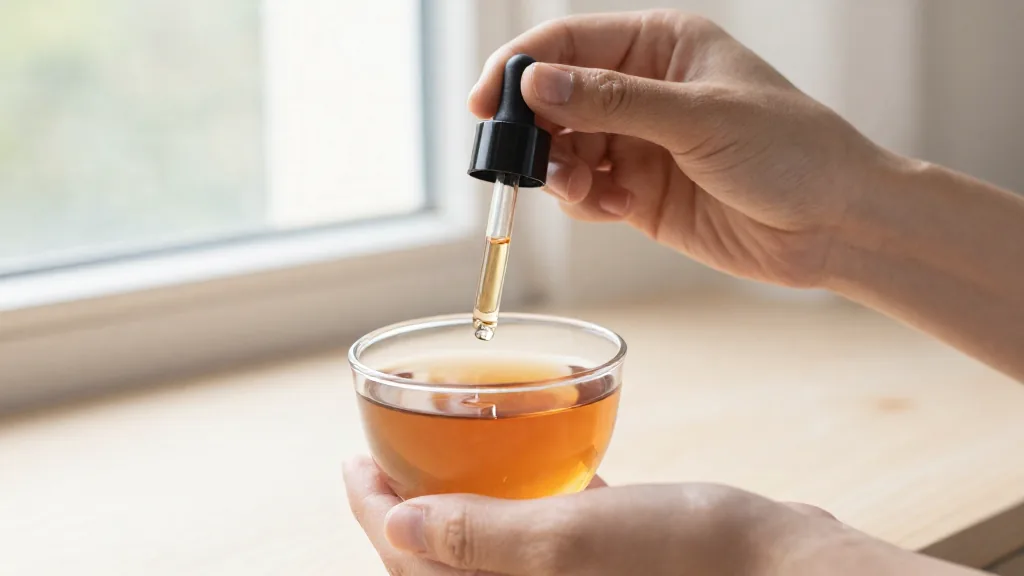
Cat’s claw bark contains dozens of chemical compounds. Four categories drive the documented effects.
Oxindole Alkaloids — The Primary Drivers
The most important compounds in cat’s claw are oxindole alkaloids. Four appear most often in research:
- Isopteropodina
- Pteropodina
- Mitrafilina
- Isorinchofilina
These alkaloids are unique to Uncaria species, which is why cat’s claw produces effects that other anti-inflammatory plants do not replicate. They act as chemical messengers that interact directly with immune and inflammatory signaling pathways. The rest of this article explains which pathways they target—and what happens when they do.
Standardization matters because of these alkaloids. A product standardized to 3% oxindole alkaloids delivers a predictable dose. A loose tea of unknown concentration is a gamble.
Tannins, Polyphenols, and Quinovic Acid Glycosides
Beyond the alkaloids, cat’s claw bark contains three additional bioactive compound classes:
- Tannins: Astringent compounds with antimicrobial properties. Tannins help protect the lining of the digestive tract and may contribute to the plant’s ability to soothe inflamed gut mucosa.
- Polyphenols and antioxidants: Neutralize free radicals—unstable molecules that damage cell membranes and DNA when they accumulate. The mechanism is real but not unique to cat’s claw. Blueberries, green tea, turmeric, and broccoli all have comparable antioxidant activity.
- Quinovic acid glycosides: Demonstrated anti-inflammatory activity in research. Their contribution to cat’s claw’s overall effect is real but secondary to the alkaloids.
Why Standardization Matters When You Buy a Supplement
Two bottles labeled "cat’s claw" can contain wildly different amounts of active compounds. The same product name on two different brands may deliver 0.5% alkaloids or 3% alkaloids depending on how the bark was harvested, dried, and processed.
When shopping, look for three things:
- Standardized extract labeled with a percentage of oxindole alkaloids (ideally 3%)
- The species name (Uncaria tomentosa or U. guianensis) printed on the label
- Third-party testing certification from NSF, USP, or ConsumerLab
A bottle without these details is not medicine. It is a guess.
How Cat’s Claw Actually Works — The Molecular Mechanism
Cat’s claw’s primary mechanism is inhibition of NF-κB, the protein complex that controls the body’s inflammatory response. Understanding this mechanism explains both why cat’s claw works for some conditions and why it does not work for others.
Meet NF-κB — Your Body’s Master Inflammation Switch
NF-κB (nuclear factor kappa B) is a protein complex that functions as the master switch of inflammation. When NF-κB is inactive, the inflammatory response is quiet. When NF-κB is active, the body produces a cascade of pro-inflammatory chemicals that cause swelling, pain, and tissue damage.
How the switch works in two states:
Resting state (switch OFF): NF-κB floats inside cells, locked in place by a protein called IκB (inhibitor kappa B). The inhibitor holds the switch in check.
Threat detected (switch ON): The immune system detects a pathogen, toxin, or injury. A signal tells the cell to degrade IκB. Once freed, NF-κB travels into the cell nucleus and acts like a foreman issuing orders: produce TNF-alpha, produce IL-6, produce IL-1, activate inflammation. The cell obeys. Joints swell. Pain begins. This is inflammation working as designed—the body fighting infection or protecting an injury.
The chronic disease problem: In conditions like osteoarthritis and rheumatoid arthritis, the switch gets stuck in the ON position. There is no active infection or fresh injury, but NF-κB keeps ordering inflammation. Day after day, month after month, the immune system floods joints with inflammatory chemicals. The inflammation itself becomes the disease.
How Cat’s Claw Turns Down the Switch
The oxindole alkaloids in cat’s claw—especially isopteropodina and pteropodina—stabilize the IκB complex. Stabilizing IκB prevents NF-κB from being released. NF-κB stays locked inside the cell, cannot enter the nucleus, and cannot order production of TNF-alpha and other inflammatory cytokines. The inflammation signal is dampened.
This is not theoretical. In 1998, researchers published a landmark study in Alimentary Pharmacology & Therapeutics (Sandoval-Chacón et al.) showing that cat’s claw extract directly inhibited NF-κB activation in human immune cells. Subsequent studies in people with rheumatoid arthritis who took cat’s claw measured reduced levels of TNF-alpha in their blood. Less TNF-alpha means less joint damage, less pain, and slower disease progression.
Understanding the mechanism matters. NF-κB inhibition explains why cat’s claw may help with arthritis (NF-κB drives joint inflammation) but probably will not help with high blood pressure (a different mechanism entirely) or cancer (where more immune activation, not less, may be needed).
Want to know if this mechanism applies to your specific condition? The evidence table in the next section breaks it down by condition.
The Immune Modulation Effect — Stimulating Without Overstimulating
Cat’s claw alkaloids also activate macrophages, neutrophils, and T-helper cells—the immune system’s first responders. This might sound contradictory: cat’s claw reduces inflammation via NF-κB but also activates immune cells. Both are true because the plant modulates rather than uniformly stimulates the immune system.
- In a person with a normal immune system fighting an infection, immune cells work harder while the inflammatory signaling system stays controlled. Net result: benefit.
- In a person with an active autoimmune disease, the immune system is already attacking the person’s own tissues. Activating those immune cells further—even while reducing one inflammatory pathway—can backfire.
The autoimmune distinction is critical and is addressed in detail in the safety section below.
Antioxidant Action — The Secondary but Real Mechanism
The polyphenols and tannins in cat’s claw neutralize free radicals, which amplify the NF-κB signal. When oxidative stress is high, cells are more likely to activate NF-κB and produce inflammation. By reducing oxidative stress, cat’s claw’s antioxidants create a secondary anti-inflammatory effect.
The honest caveat: This mechanism is shared by dozens of plants and foods. The antioxidant effect is a supporting player. NF-κB inhibition is what makes cat’s claw distinctive.
What the Evidence Actually Shows — Condition by Condition
Cat’s claw has been studied for some conditions with real rigor. For others, it has not. The internet is full of articles listing cat’s claw as a cure for everything from cancer to COVID-19. Most are misleading. Here is the honest separation.
How to Read the Evidence (A Quick Framework)
Not all studies carry equal weight. The hierarchy from strongest to weakest:
- Randomized clinical trial in humans: Researchers randomly assign people to the supplement or a placebo and measure outcomes. Strongest proof.
- Observational study: Researchers follow people already taking the supplement. Weaker because other lifestyle factors could explain results.
- Animal study: Tells you the compound has biological activity. Does not prove it works the same way in humans.
- In vitro study (cells in a dish): The weakest form. A compound that kills cancer cells in a petri dish does not necessarily treat cancer in a person.
The critical mistake most articles make: citing in vitro studies as proof of human benefit. "Cat’s claw kills cancer cells!" Yes—but so does bleach. The question is whether it works safely inside a living human.
As one informed user noted: "The only downside to this herb is that it hasn’t got as much clinical trials as I’d like it to have." That is exactly right. Acknowledging this limitation builds more trust than hiding it.
The Evidence Table — Rated by Condition
| Condition | Level of Evidence | What Studies Show | Rating |
|---|---|---|---|
| Knee osteoarthritis | Randomized human trial | Pain and stiffness reduction vs. placebo at 4 weeks; improved joint function | 🟢 Green |
| Rheumatoid arthritis | Small randomized trial (Journal of Rheumatology) | ~50% reduction in joint inflammation and swelling; 40-person sample | 🟡 Yellow |
| Viral infections (cold, flu) | In vitro studies + traditional use | Antiviral activity in cells; no human trials for COVID-19 or influenza | 🟡 Yellow |
| Digestive health / gastric ulcers | Animal studies + traditional use | Gastric mucosa protection in rat models; insufficient human data | 🟡 Yellow |
| Bacterial infections | In vitro studies + traditional use | Antibacterial activity in cells; no human clinical trials | 🟡 Yellow |
| Cancer (adjuvant or treatment) | In vitro only | Cytotoxic activity against cell lines; not tested in cancer patients | 🔴 Red |
| Blood pressure / hypertension | In vitro / theoretical | No human clinical trials; real risk is interaction with antihypertensives | 🔴 Red |
| Alzheimer’s / neuroprotection | Preliminary animal studies | Very preliminary; not replicated in humans | 🔴 Red |
Key: 🟢 Green = at least one randomized human trial with positive results. 🟡 Yellow = preliminary evidence, small studies, or primarily in vitro/animal data. 🔴 Red = lab studies only or folklore without clinical data.
The Osteoarthritis Case — The Strongest Human Evidence
The most robust evidence for cat’s claw comes from osteoarthritis studies, particularly knee osteoarthritis. In one of the largest randomized trials, researchers recruited people with mild-to-moderate knee osteoarthritis. Half took a standardized U. tomentosa extract at 1,500 mg/day; half took placebo. Researchers measured pain on a standard scale and tracked walking distance.
After 4 weeks, the cat’s claw group showed significantly less pain. After 8 weeks, the difference was clearer. People reported roughly a 30–50% reduction in pain and better function—they could walk farther and climb stairs with less difficulty.
What the study does not show: dramatic overnight relief, complete pain elimination, or benefit for people with severe osteoarthritis. The improvement was gradual and partial. The study was published in Inflammation Research and is cited by both mainstream medical sources and integrative practitioners. The difference is that mainstream sources add "small sample size, more research needed"—while supplement companies skip that part.
What Cat’s Claw Cannot Do — Correcting the Folklore
Three claims are not supported by human evidence:
Cancer: The evidence that cat’s claw treats cancer in humans is zero. In vitro studies show compounds from the plant kill cancer cells in a dish. Memorial Sloan Kettering Cancer Center does not recommend cat’s claw for cancer treatment. Cancer patients considering it should consult their oncologist first—not because the plant is definitely dangerous, but because it could interact with chemotherapy in unpredictable ways.
Viral infections (COVID-19, flu): Cat’s claw has antiviral activity in laboratory tests. There are no human clinical trials showing it reduces the severity or duration of COVID-19 or influenza. Cat’s claw may be a complementary option—not a substitute for medical treatment.
Replacing medication: Cat’s claw is not a replacement for DMARDs in severe rheumatoid arthritis, for anticoagulants in people at risk of blood clots, or for blood pressure medications in hypertension. Advising someone to stop prescribed medication and take cat’s claw instead is dangerous.
Before you buy, learn to read a supplement label—not all cat’s claw products are equivalent. The quality guidance in the compounds section above shows exactly what to look for.
Realistic Expectations — How Long Before You Feel Anything?
Cat’s claw produces measurable effects in 2 to 8 weeks of continuous use, not the next day. Clinical trials in osteoarthritis and rheumatoid arthritis use 4 weeks as the primary endpoint—that is when researchers first measure significant differences between cat’s claw and placebo.
The Timeline the Studies Actually Show
- Joint inflammation: Measurable improvement in pain and swelling between 2 and 8 weeks. Most people who respond notice something by week 4. No change after 8 weeks suggests cat’s claw is not working for that individual.
- Immune effects: Activation of macrophages and T-helper cells may occur within 1–2 weeks, but immune system changes are not subjectively perceptible. You cannot feel your immune system working.
- Antioxidant effects: Continuous and cumulative. Antioxidant action is silent and long-term—comparable to a vitamin, not a pain medication.
Why Some People Feel Results Faster (And What That Might Mean)
Some people report relief "the next day." Three explanations account for this:
- Placebo effect: Real and measurable, especially for subjective symptoms like pain. If you believe cat’s claw will help, your brain can genuinely reduce pain perception through neurological mechanisms. This is why every supplement study includes a placebo control group.
- Absorption variability: A standardized extract capsule has known bioavailability. A home-brewed tea has variable bioavailability. Someone using a high-quality extract may respond faster than someone drinking a weak tea.
- Concurrent medication changes: If you stop NSAIDs while starting cat’s claw, you are changing your regimen. The expected difference itself becomes a variable.
How to Track Whether Cat’s Claw Is Actually Working
Follow this 5-step protocol to generate objective data rather than relying on impressions:
- Before you start: Rate your pain and stiffness on a 1–10 scale. Write it down. Note your range of motion (how many stairs before pain increases?). Photograph any visible swelling.
- Week 4: Repeat the same assessment using the same scale and same activities. Did the number go down? Can you do more before pain increases?
- Week 8: Final assessment. A 25–50% improvement suggests cat’s claw is working for you. No change after 8 weeks at the recommended dose? Increasing the dose probably will not help.
- If it is working: Continue for 12 weeks total, then reassess with your doctor.
- If it is not working: Stop. Consider a different supplement, physical therapy, or a conversation with your doctor about other options.
Safety, Contraindications, and Drug Interactions — The Complete Picture
Cat’s claw is relatively safe for most healthy adults, but "relatively safe" does not mean "safe for everyone." Your individual health situation determines the risk-benefit calculation.
Who Should NOT Take Cat’s Claw — Clear Criteria
1. Pregnancy and breastfeeding
Cat’s claw is contraindicated during pregnancy. The oxindole alkaloids have documented uterotonic activity in animal models—they stimulate uterine contractions. No large human studies prove cat’s claw causes miscarriage, but the mechanism exists and the risk is real. The alkaloids can also pass into breast milk; their effects on infants are unknown. Avoid cat’s claw during both pregnancy and breastfeeding.
2. Active autoimmune diseases
Cat’s claw reduces inflammation via NF-κB inhibition but also activates immune cells. In active autoimmune diseases—lupus, multiple sclerosis, Crohn’s disease, Graves’ disease—that immune activation can exacerbate the disease. The exception is mild rheumatoid arthritis, where the anti-inflammatory effect appears to dominate, but even there, medical supervision is required. Rule: only under close medical supervision, never as self-treatment.
3. Scheduled surgery
Cat’s claw has mild anticoagulant properties—it slightly inhibits platelet aggregation. Stop taking cat’s claw at least 2 weeks before any surgical procedure. Wait at least 1 week after surgery before resuming.
4. Cancer patients on chemotherapy or radiation
The oxindole alkaloids are metabolized by the liver enzyme CYP3A4, the same enzyme that metabolizes many chemotherapy drugs. This could alter blood levels of chemotherapy—making it less effective or more toxic. Additionally, if treatment is designed to suppress the immune system, cat’s claw’s immune-stimulating properties could work against that goal. Rule: talk to your oncologist before taking cat’s claw.
5. Transplant recipients on immunosuppressive therapy
Organ transplant recipients take immunosuppressive drugs to prevent rejection. Cat’s claw’s immune-stimulating properties could reduce the effectiveness of those drugs and increase rejection risk. Avoid cat’s claw if you are on immunosuppressive therapy.
Drug Interactions — Specific Medications by Name
| Medication / Class | Type of Interaction | Risk Level |
|---|---|---|
| Warfarin (Coumadin) | Cat’s claw has weak anticoagulant properties that potentiate warfarin → excess bleeding risk | High |
| Other anticoagulants (apixaban, rivaroxaban, dabigatran) | Additive anticoagulant effect | High |
| Immunosuppressants (cyclosporine, tacrolimus, mycophenolate) | Cat’s claw stimulates the immune system; directly antagonizes immunosuppressive effect | High |
| Antiretrovirals (ritonavir, lopinavir) | CYP3A4 inhibition may alter antiretroviral blood levels | Moderate–High |
| Aspirin | Additive antiplatelet effect; increases bleeding risk | Moderate |
| NSAIDs (ibuprofen, naproxen, celecoxib) | Additive anti-inflammatory effect; may increase gastrointestinal bleeding risk | Moderate |
| Antihypertensives (enalapril, losartan, amlodipine, atenolol) | Cat’s claw may have mild blood-pressure-lowering effects; additive hypotension risk | Moderate |
| CYP3A4-metabolized drugs (statins, calcium channel blockers, antifungals) | CYP3A4 inhibition may increase medication blood levels | Moderate |
Important note: This table is informative, not exhaustive. Show it to your doctor or pharmacist before starting cat’s claw. They can evaluate your specific medication list.
Side Effects — What’s Reported and How Common
Cat’s claw is generally well-tolerated. In clinical trials, the side effect rate is typically similar to placebo. Reported side effects include:
- Mild gastrointestinal effects (nausea, diarrhea, abdominal pain): most common, especially at high doses; generally mild and resolve when dose is lowered or taken with food
- Headache: occasionally reported; mechanism unclear, possibly related to blood pressure changes
- Mild hypotension: relevant if your blood pressure is already low
- Allergic reactions: rare; cat’s claw belongs to the Rubiaceae family (same family as coffee)
- Dizziness or vertigo: reported occasionally; may relate to hypotension
The Autoimmune Paradox — When an Anti-Inflammatory Can Backfire
Cat’s claw is both anti-inflammatory and immune-stimulating because inflammation and immunity are two different systems that sometimes work together—but not always.
In a person with osteoarthritis:
- The problem is local joint inflammation with no active infection—just wear and overactive NF-κB ordering TNF-α production
- Cat’s claw inhibits NF-κB → less TNF-α → less pain
- The immune-stimulating effect is irrelevant because there is no pathogen to fight
- Net result: benefit
In a person with active lupus:
- The problem is the immune system attacking the person’s own cells
- T-cells and autoimmune antibodies are already in overproduction
- Cat’s claw stimulates more T-cell activation and immune response
- Although NF-κB inhibition also occurs, the immune-stimulating effect may dominate
- Net result: potential worsening
The net effect in autoimmune conditions is unpredictable and potentially counterproductive. This is the distinction most competing articles do not make.
Putting It All Together — Is Cat’s Claw Right for You?
Cat’s claw has the greatest potential benefit for someone with this specific profile:
- Age: 40 or older (most studies include middle-aged and older adults)
- Primary condition: Mild-to-moderate osteoarthritis or chronic joint inflammation without an autoimmune diagnosis
- Medications: Not taking warfarin, other anticoagulants, or immunosuppressants
- General health: Normal or well-controlled blood pressure; no active autoimmune diseases
- Expectation: Willing to wait 4–8 weeks; seeking partial pain reduction, not a cure
- Context: Complementing exercise, an anti-inflammatory diet, and conventional medical treatment where applicable
For someone with this profile, cat’s claw has a reasonable probability of delivering measurable benefit.
Questions to Ask Your Doctor Before Starting
Bring these 5 specific questions to your appointment:
- "Do any of my current medications interact with oxindole alkaloids from cat’s claw?" (Show your doctor the interactions table above.)
- "Is my blood pressure stable enough to take a supplement that might lower it slightly?"
- "Is my autoimmune condition—if I have one—controlled enough to try a supplement that also stimulates the immune system?"
- "Is there any reason based on my specific medical history why I should not take cat’s claw?"
- "How will I know if it is working? What changes should I expect at 4 or 8 weeks?"
The Bottom Line — Honest Summary in Plain Language
Cat’s claw has a real, well-documented biochemical mechanism. The oxindole alkaloids genuinely inhibit NF-κB—the master switch of inflammation. This has been demonstrated in human cells and confirmed in multiple studies. It is not speculation.
The human clinical evidence is promising but limited. For osteoarthritis, at least one solid randomized trial shows benefit. For rheumatoid arthritis, the data are weaker—one small 40-person trial. For most other conditions, human data simply do not exist.
Cat’s claw is not a supplement for everyone. People taking warfarin, those with active lupus, pregnant women, and transplant recipients should avoid it or use it only under strict medical supervision.
Safety depends on your specific health profile, not population averages. "Relatively safe" in general does not mean safe for you.
If you try it, expect gradual results. Changes appear in weeks, not days. No improvement after 8 weeks at the recommended dose? Cat’s claw is probably not the right supplement for your condition.
Cat’s claw is not a miracle. It is not a placebo either. It is a plant with a real mechanism, limited but genuine evidence, and a safety profile that depends entirely on who is taking it. That is enough to consider it as an option—but only after an informed conversation with your doctor.
Talk to your doctor or pharmacist before starting cat’s claw, especially if you take anticoagulants or have an autoimmune disease.
Frequently Asked Questions
How long does cat’s claw take to work?
A: Clinical trials show measurable results between 2 and 8 weeks of continuous use. Most studies use 4 weeks as the primary evaluation point. "Next-day" results are anecdotal and do not represent clinical findings. If you see no improvement after 8 weeks at the recommended dose, cat’s claw is unlikely to help your condition.
Can I take cat’s claw with ibuprofen or aspirin?
A: Only with medical supervision. Ibuprofen, aspirin, and cat’s claw all share antiplatelet activity. Combined, the effect is additive—increasing gastrointestinal bleeding risk. If you take NSAIDs regularly and want to add cat’s claw, consult your doctor or pharmacist before combining them.
Does cat’s claw help autoimmune diseases like lupus?
A: Cat’s claw is not recommended for active lupus without strict medical supervision. Although cat’s claw reduces inflammation via NF-κB inhibition, it also stimulates T-cells and macrophages. In lupus, where the immune system already attacks the body’s own tissues, that immune stimulation can worsen the condition.
What is the difference between U. tomentosa and U. guianensis?
A: Uncaria tomentosa is in roughly 70% of commercial supplements and is the species used in most clinical trials. Uncaria guianensis has a different alkaloid profile and far less research behind it. The two species are not interchangeable when evaluating scientific evidence. A label that does not list the species name is a transparency red flag.
Can cat’s claw help with cancer?
A: There is no human evidence that cat’s claw treats cancer. In vitro studies show cytotoxic activity against some cancer cell lines, but many substances kill cancer cells in a dish without being effective or safe in people. Memorial Sloan Kettering Cancer Center does not recommend cat’s claw as cancer therapy. Cancer patients should consult their oncologist before taking it.
Is cat’s claw safe during pregnancy?
A: No. The oxindole alkaloids have documented uterotonic activity in animal models—they stimulate uterine contractions. Although large human trials are lacking, the mechanism is real and the risk is not worth taking. Cat’s claw should also be avoided while breastfeeding because alkaloids can pass into breast milk.
Which form of cat’s claw is most effective?
A: Standardized extract capsules are the form used in clinical trials showing benefit, typically standardized to 3% oxindole alkaloids. Bark tea has unpredictable bioavailability—two homemade cups can contain very different alkaloid concentrations. Topical gel has very limited evidence. For measurable results, a standardized extract capsule is the most reliable option.
How much cat’s claw should I take?
A: Clinical trials typically use 1,500 mg/day of standardized extract at 3% alkaloids. Some studies use 1,000 mg/day; others use up to 3,000 mg/day. Follow the manufacturer’s recommendation unless your doctor advises otherwise. If gastrointestinal side effects occur, lower the dose or split it into two servings taken with food.
Can I take cat’s claw indefinitely?
A: Most clinical studies run 8 to 12 weeks without reporting safety concerns. Long-term trials beyond 6 months in large populations do not yet exist. If you plan to take cat’s claw chronically, check in with your doctor every 6 months to confirm no new contraindications have emerged and that the supplement is still appropriate for your situation.
Related guides
Ready to try it? See Ground Rise Cat’s Claw extract →