
How Cat’s Claw Works: Molecular Mechanism Guide
 Ground Rise
⏱ 21 min read · Cat’s Claw guide
How Cat’s Claw Works: Molecular Mechanism Guide — what you need to know before taking it.
Looking for the product? Ground Rise Cat’s Claw extract is single-origin Peruvian Uncaria tomentosa, standardized to 3% POAs. Join the notify list →
Your knees ache. Someone hands you a bottle of cat’s claw.
Before you open it, you want to know what’s actually happening inside your body—not the YouTube testimonials. The real science.
Here’s the truth: the mechanisms are more interesting than the hype, and more nuanced than the skeptics admit.
This article covers exactly what compounds are in cat’s claw, how those compounds work at the cellular level, which conditions have solid evidence, and which don’t. You’ll also learn how to avoid dangerous drug interactions, choose a quality product, and set a realistic timeline for results.
What Exactly Is Cat’s Claw? (And Why the Species Matters)
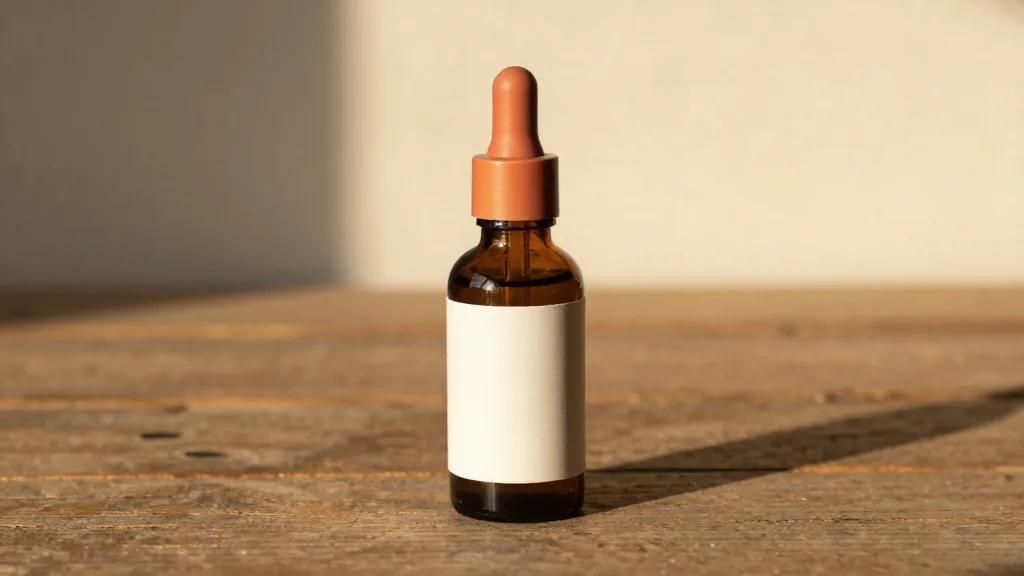
Cat’s claw (Uncaria tomentosa) is a woody vine native to the Peruvian Amazon, named for the curved, claw-like thorns it uses to climb surrounding trees. The species you choose determines which active compounds you’re actually getting—and whether those compounds match what clinical trials studied.
Uncaria tomentosa vs. Uncaria guianensis — Not the Same Plant
Approximately 70% of commercial cat’s claw products contain Uncaria tomentosa—the species most extensively studied in clinical trials. Most remaining products contain Uncaria guianensis, or an unlabeled mixture of both.
The chemical profiles of these two species are distinct:
- U. tomentosa concentrates oxindole alkaloids—the compounds with the strongest documented immune effects—plus quinovic acid glycosides
- U. guianensis has higher procyanidin content and a different alkaloid ratio, making it biochemically unlike the formulations studied in trials
When you read a clinical trial showing benefits for rheumatoid arthritis, that study almost certainly used U. tomentosa. A product that doesn’t specify its species is an unknown variable.
Bark vs. Root: Why the Plant Part Changes Everything
Active compounds are not evenly distributed throughout the cat’s claw plant. The root bark contains the highest concentration of oxindole alkaloids—the compounds with the most documented biological activity. Stem bark contains more tannins and fewer alkaloids.
The FDA does not require supplement manufacturers to prove that different plant parts are equivalent. A product labeled "cat’s claw" might contain root bark, stem bark, or leaf material—each with different potency.
First clue for choosing a quality product: look for Uncaria tomentosa and root bark on the label.
The Active Compounds: What’s Inside Cat’s Claw That Does the Work
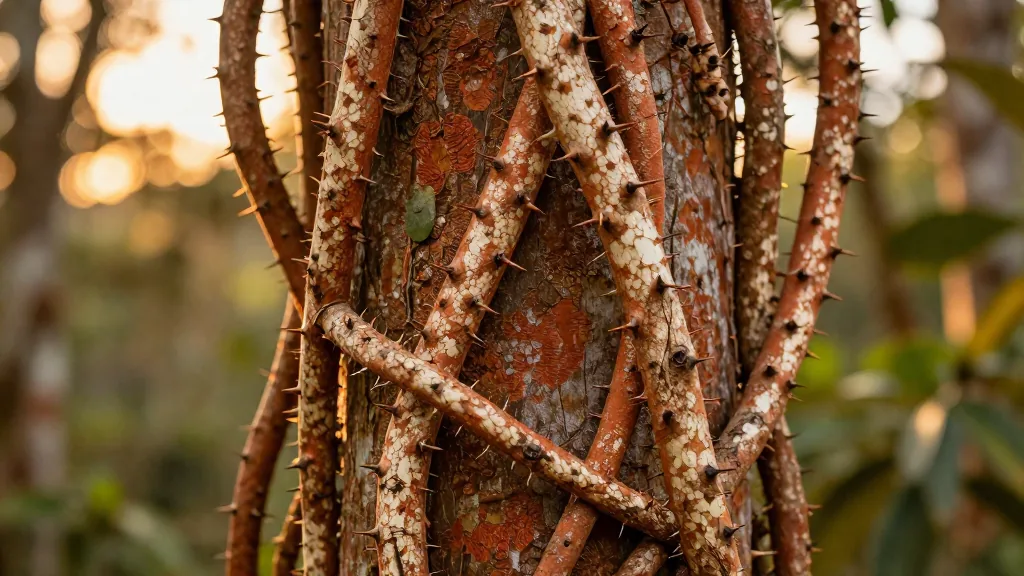
Cat’s claw contains dozens of chemical compounds, but only a subset have been systematically studied. The five most relevant compound classes are oxindole alkaloids, tannins, polyphenols, quinovic acid glycosides, and plant sterols.
Oxindole Alkaloids — The Primary Drivers
The three most-studied oxindole alkaloids in U. tomentosa are:
- Isopteropodine
- Pteropodine
- Mitraphylline
These alkaloids split into two subtypes: pentacyclic oxindole alkaloids (POA) and tetracyclic oxindole alkaloids (TOA).
POAs have documented immune-modulating activity. TOAs can antagonize POA effects in some pathways. This distinction is not merely academic—it explains why quality products often specify "TOA-free" or list a POA-to-TOA ratio on the label.
Think of it this way: POAs are your active team members. TOAs are the player who keeps disrupting the play. You want more POAs, fewer TOAs.
What oxindole alkaloids do: They stimulate immune cell activity—particularly phagocytes and T-helper cells—and modulate the NF-κB inflammation pathway. Both mechanisms are explained in detail in the next section.
Tannins and Polyphenols — The Supporting Cast
Tannins are astringent compounds with anti-inflammatory properties, particularly relevant for gastrointestinal conditions. Tannins reduce inflammation in the intestinal lining and carry mild antimicrobial activity.
Polyphenols neutralize free radicals—unstable molecules that damage cells. In joint tissue, oxidative stress breaks down proteoglycans, the proteins that give cartilage its cushioning properties. Polyphenols intercept that damage before it occurs.
Honest assessment: cat’s claw’s antioxidant activity is real but modest. Turmeric’s curcumin has stronger documented antioxidant potency in direct comparisons. Cat’s claw’s antioxidant effect is best viewed as complementary, not primary.
Other Notable Compounds
Quinovic acid glycosides show anti-inflammatory and antiviral activity in laboratory studies. Human clinical data remains limited.
Plant sterols (particularly beta-sitosterol) contribute mild anti-inflammatory effects that appear synergistic with the alkaloids.
One important caveat: the whole extract likely works better than any isolated compound. This synergy is difficult to quantify in clinical studies, which is why most research isolates individual compounds rather than testing the full extract.
| Compound | Primary Function | Evidence Level |
|---|---|---|
| Oxindole alkaloids (POA) | Immune modulation, NF-κB inhibition | MEDIUM-HIGH |
| Tannins | GI anti-inflammation | MEDIUM |
| Polyphenols | Antioxidant, free radical scavenging | MEDIUM |
| Quinovic acid glycosides | Anti-inflammatory, antiviral | LOW |
| Plant sterols | Synergistic anti-inflammatory | LOW |
How Cat’s Claw Works Inside Your Body — The Mechanisms Explained Simply
Cat’s claw acts through three primary mechanisms: inhibiting the NF-κB inflammation pathway, modulating immune cell activity, and reducing oxidative stress in joint tissue. Each mechanism is real and documented—though most evidence comes from cell studies rather than large human trials.
The NF-κB Pathway — Your Body’s Inflammation "On Switch"
NF-κB is a protein that acts as a master control switch for inflammation inside your cells. Under normal conditions, a second protein called IκB keeps NF-κB locked in the cytoplasm, where it cannot activate inflammatory genes.
When your body detects damage, infection, or stress, IκB releases NF-κB. NF-κB travels into the cell nucleus and orders production of pro-inflammatory molecules—TNF-α, IL-1, and IL-6. These chemicals drive inflammation, which is appropriate for acute injury or infection.
The problem in chronic diseases like rheumatoid arthritis, Crohn’s disease, and lupus: NF-κB remains chronically activated, continuously signaling for inflammation even when no active threat exists. The result is relentless joint destruction, intestinal damage, and systemic inflammation.
Here’s where cat’s claw enters:
The oxindole alkaloids and quinovic acid glycosides in U. tomentosa inhibit NF-κB activation. They jam the switch—preventing it from triggering maximum inflammatory output. With less NF-κB signaling, TNF-α production drops, and inflammation decreases.
This mechanism was first documented in a landmark 1998 study by Sandoval-Chacón and colleagues, published in Alimentary Pharmacology & Therapeutics. The researchers showed that a U. tomentosa extract inhibited NF-κB activation in intestinal cells—the first direct evidence of this pathway in human cells.
Critical limitation: Most NF-κB studies are in vitro—conducted in test tubes or cultured cells, not inside a living human body. What happens in a petri dish does not always translate to your bloodstream and tissues. Clinical trials in actual patients are essential, and the NF-κB mechanism alone does not "prove" cat’s claw works for every condition.
Want to know if cat’s claw is appropriate for your specific condition? Jump to the drug interactions and safety section below.
Immune Modulation — Activating the Right Defenders
Beyond NF-κB inhibition, cat’s claw acts directly on two types of immune cells: phagocytes and T-helper cells.
The oxindole alkaloids stimulate phagocytes (macrophages and neutrophils)—the immune system’s cleanup crew. Phagocytes engulf pathogens, dead cell debris, and damaged tissue. Stimulating phagocytes gives your immune system more active personnel.
Cat’s claw also influences the balance between T-helper cells—specifically the Th1/Th2 ratio:
- Th1 cells drive cellular immunity (fighting intracellular pathogens like viruses)
- Th2 cells drive antibody production (fighting bacteria and external pathogens)
In autoimmune diseases, this balance is often skewed. Cat’s claw appears to help rebalance the Th1/Th2 ratio—though whether that’s beneficial or harmful depends on your specific immune baseline.
The critical distinction: Cat’s claw modulates immunity. It does not simply "boost" or "suppress" it. This is why the same supplement can help some people with rheumatoid arthritis while potentially worsening symptoms in others with lupus. Your baseline immune state matters enormously.
Antioxidant Action in Joint Tissue
Chronic inflammation generates oxidative stress—an excess of free radicals that damage cellular structures. In osteoarthritis and rheumatoid arthritis, free radicals degrade proteoglycans, the proteins that give cartilage its cushioning properties.
The polyphenols in cat’s claw intercept free radicals before they damage joint tissue. This mechanism is genuine—but not unique to cat’s claw. Curcumin and resveratrol have stronger documented antioxidant activity in direct comparisons.
Cat’s claw’s antioxidant effect is a useful supporting mechanism. It is not the primary driver of the supplement’s benefits.
What the Science Actually Says — Evidence by Condition
The evidence for cat’s claw varies dramatically by condition. The table below separates what is genuinely supported from what remains speculative, using four evidence levels: HIGH, MEDIUM, LOW, and NONE (in humans).
Rheumatoid Arthritis and Osteoarthritis — The Strongest Case
Rheumatoid Arthritis (RA):
The most cited study is Mur et al. (2002), published in the Journal of Rheumatology. Forty RA patients received either a U. tomentosa extract or placebo for 24 weeks. The cat’s claw group showed:
- Significant reduction in joint pain
- Fewer swollen joints
- Improved functional ability
Promising results—but 40 patients is a small sample. A "large" clinical trial typically enrolls 200 or more participants. The study was also funded by a supplement company, which introduces potential bias, though the methodology was sound.
Osteoarthritis (OA):
Piscoya et al. (2001) studied cat’s claw for knee osteoarthritis and found measurable pain reduction within 4 weeks. Limitations: the study was not fully double-blinded, and the sample was modest.
Overall evidence level for arthritis: MEDIUM
The evidence is promising enough to justify trying cat’s claw under medical supervision—especially if you have failed or cannot tolerate conventional treatments. It is not strong enough to recommend as a first-line therapy.
Real-world context: Many people report dramatic results. Those anecdotes are valuable signals—they tell researchers where to look. But individual responses vary dramatically, and anecdote is not proof.
Before you buy, learn how to read a cat’s claw supplement label—not all products are equivalent. See the quality guide below.
Immune Support and Viral Infections — Promising but Preliminary
Studies show cat’s claw stimulates immune cell activity in healthy volunteers (Sheng et al., 2000). That is real. But stimulating immune cells in a lab setting does not automatically mean cat’s claw prevents colds or flu.
For viral infections specifically:
Laboratory studies show U. tomentosa extracts have antiviral activity against herpes simplex virus, HIV, and other viruses in cell cultures. During the COVID-19 pandemic, several studies examined cat’s claw’s activity against SARS-CoV-2 in cell cultures and animal models. The results were interesting. They were also preliminary.
As of 2024, there are no completed clinical trials of cat’s claw for COVID-19 in human patients. All data comes from petri dishes or animal studies. That is a significant gap between laboratory promise and clinical reality.
The NCCIH states plainly: "There is no conclusive scientific evidence based on studies in people" for cat’s claw and viral infections.
Evidence level for viral infections: VERY LOW
Do not use cat’s claw as a substitute for vaccines or proven antiviral treatments.
Gastrointestinal Conditions and IBD
The NF-κB inhibition mechanism is theoretically relevant for inflammatory bowel disease—NF-κB is hyperactive in the inflamed intestinal lining of Crohn’s and ulcerative colitis patients.
Human clinical evidence for cat’s claw and IBD consists of sparse case reports and one small pilot study. No robust clinical trial exists. Cat’s claw cannot be recommended as a primary treatment for IBD based on current evidence.
Evidence level for IBD: LOW
Conditions With No Reliable Evidence in Humans
Three conditions are frequently mentioned in cat’s claw marketing but lack any human clinical evidence:
- Cancer: Laboratory studies show certain cat’s claw compounds induce apoptosis in cancer cell lines. No clinical trials exist. Memorial Sloan Kettering Cancer Center’s evidence review concludes: "There is insufficient evidence to recommend the use of cat’s claw for cancer prevention or treatment."
- Alzheimer’s disease: The oxidative stress hypothesis is mechanistically plausible. No human evidence exists. Do not use cat’s claw for cognitive decline without medical guidance.
- Diabetes: Limited preclinical evidence only. Not recommended as a primary treatment.
Evidence level for these conditions: NONE (in humans)
Evidence Summary Table
| Condition | Proposed Mechanism | Evidence Level | Key Study | Recommendation |
|---|---|---|---|---|
| Rheumatoid arthritis | NF-κB inhibition, immune modulation | MEDIUM | Mur et al. 2002 | Potentially helpful; discuss with rheumatologist |
| Osteoarthritis | Anti-inflammatory, antioxidant | MEDIUM | Piscoya et al. 2001 | May help; try 4–8 weeks consistently |
| General immune support | Phagocyte stimulation | LOW-MEDIUM | Sheng et al. 2000 | Plausible but not proven |
| Viral infections | Antiviral (in vitro only) | VERY LOW | Cell culture studies | Do not rely on for prevention or treatment |
| IBD / Crohn’s | NF-κB intestinal inhibition | LOW | Case reports only | Insufficient evidence; consult GI doctor |
| Cancer | Apoptosis (in vitro only) | NONE | Lab studies only | No clinical evidence; not recommended |
| Alzheimer’s | Antioxidant, neuroprotection | NONE | No human studies | No evidence in humans |
Is Cat’s Claw Safe for You? Drug Interactions and Who Should Avoid It
Cat’s claw is generally well tolerated, but it carries serious interactions with anticoagulants and immunosuppressants that require direct physician oversight before use.
Drug Interactions — A Practical Risk Matrix
If you take any of the following medications, read this section carefully before starting cat’s claw.
| Medication / Class | Risk Level | Mechanism | What to Do |
|---|---|---|---|
| Warfarin, apixaban, rivaroxaban (anticoagulants) | HIGH | Cat’s claw may inhibit platelet aggregation and potentiate anticoagulant effect, increasing bleeding risk | Avoid without direct physician supervision. Generally contraindicated with anticoagulants. |
| Methotrexate, cyclosporine (immunosuppressants) | HIGH | Immune-modulating effect is unpredictable with immunosuppression; risk of reduced drug efficacy or immune dysregulation | Contraindicated. Do not use without explicit prescription and monitoring. |
| Ibuprofen, naproxen, indomethacin (NSAIDs) | MEDIUM | Overlapping anti-inflammatory mechanisms; potential potentiation of GI side effects (ulceration, bleeding) | Use with caution. Separate doses by at least 2 hours. Monitor for GI symptoms. |
| Lisinopril, enalapril, losartan (antihypertensives) | LOW-MEDIUM | Oxindole alkaloids may have mild hypotensive effects | Monitor blood pressure. Inform your doctor. Likely safe but needs oversight. |
| Omeprazole, famotidine (acid reducers) | LOW | Tannins may reduce absorption of some compounds | Separate doses by 2 hours. Unlikely to be clinically significant. |
| Diabetes medications | LOW-MEDIUM | Preliminary evidence of mild hypoglycemic effect | Monitor blood sugar. Inform your doctor. |
The warfarin interaction deserves emphasis. Case reports document elevated INR—the measure of blood clotting—in patients who started cat’s claw while on warfarin. If you take warfarin or any anticoagulant, do not start cat’s claw without explicit approval from your cardiologist or prescribing physician. This is a serious safety concern, not a minor footnote.
Populations Who Should Avoid Cat’s Claw or Consult First
The following groups face elevated risk and require personalized medical guidance before using cat’s claw:
Pregnancy and breastfeeding:
Oxindole alkaloids have uterotonic properties—they may stimulate uterine contractions. Human data is limited, but the risk is real enough that cat’s claw is contraindicated in pregnancy. Safety during breastfeeding is unknown.
Active autoimmune diseases:
The evidence here is nuanced, not categorical:
- Some patients with rheumatoid arthritis have participated in clinical trials and tolerated cat’s claw well
- Patients with lupus, Sjögren’s syndrome, or multiple sclerosis have reported disease flares after starting cat’s claw
- The difference likely relates to the specific immune dysregulation in each disease and each person’s baseline immune state
If you have lupus, Sjögren’s syndrome, multiple sclerosis, or another autoimmune condition, consult your rheumatologist or immunologist before using cat’s claw. Do not avoid it categorically—get personalized guidance based on your specific disease and current immune status.
Before surgery:
Suspend cat’s claw at least 2 weeks before elective surgery due to potential anticoagulant effects and unknown interactions with anesthesia. Inform your anesthesiologist and surgeon.
Organ transplant recipients:
Contraindicated due to unpredictable interactions with immunosuppressive medications.
Children:
No pediatric safety data exists. Avoid in children.
Side Effects — What’s Actually Reported
Most people tolerate cat’s claw without problems. When side effects do occur, they fall into five categories:
- Gastrointestinal upset (nausea, diarrhea, stomach cramps): more common with tea preparations and high doses; less common with standardized extracts
- Mild hypotension: reported in sensitive individuals
- Headache: uncommon
- Allergic reactions: rare; usually in people with existing plant allergies
- Dizziness: occasional
Important caveat: Safety data comes primarily from short-term studies of up to 8 weeks. Long-term safety—months to years of continuous use—is not well studied. That does not mean cat’s claw is unsafe long-term. It means the data does not yet exist.
How Long Does Cat’s Claw Take to Work? Setting Realistic Expectations
Clinical trials show meaningful improvements at 4–8 weeks of consistent use—not overnight. The gap between this timeline and YouTube testimonials claiming next-day results is one of the most important things to understand before starting cat’s claw.
The Timeline the Studies Actually Show
In the Mur et al. rheumatoid arthritis trial, meaningful improvements appeared around week 4, with continued improvement through week 24. In the Piscoya osteoarthritis study, pain reduction was noted at 4 weeks.
Research consensus: expect to wait 4–8 weeks of consistent use before deciding if cat’s claw is working.
Why the delay? Inhibiting NF-κB happens relatively quickly at the cellular level. The visible, felt effects take longer. Inflamed tissue needs time to recover. Swollen joints do not deflate overnight. Damaged cartilage does not regenerate in days.
A useful analogy: Lowering your home’s thermostat does not instantly cool the house. The air conditioning runs, but the temperature drops gradually. Similarly, inhibiting NF-κB signals less inflammation—but tissue recovery lags behind the biochemical change.
Why Some People Report Rapid Results
Reports of overnight improvement are real—and they are the exception, not the rule. Four explanations account for most rapid-response cases:
- Placebo effect: Real and powerful, especially for pain perception
- Concurrent interventions: The person also started physical therapy, changed diet, or reduced stress at the same time
- Regression to the mean: Pain happened to peak and naturally decreased
- Genuine rapid responders: A small percentage of people respond quickly; researchers do not yet understand why
If you are one of these rapid responders, that is a positive outcome. But do not plan on it. Plan for 4–8 weeks.
Factors That Affect Speed of Response
Six variables influence how quickly—or whether—cat’s claw produces noticeable effects:
- Product quality: Standardized extracts work more reliably than loose powder or tea
- Baseline severity: Chronic, severe inflammation takes longer to reverse than mild, acute inflammation
- Dose: Higher doses (within safe ranges) may work slightly faster
- Concurrent medications: NSAIDs may synergize or compete with cat’s claw depending on the individual
- Individual metabolism: Some people process supplements faster or slower
- Formulation: Liposomal formulations theoretically improve absorption, but no clinical trials confirm superior outcomes
A realistic expectation: Give cat’s claw 8 weeks at a consistent dose. No meaningful improvement by then—less pain, better function, reduced swelling—means cat’s claw is probably not effective for your condition. That is useful information: it tells you to try a different approach.
How to Choose a Quality Cat’s Claw Supplement
A quality cat’s claw supplement specifies the species (Uncaria tomentosa), plant part (root bark), alkaloid content (minimum 3%), and third-party testing certification. Products that omit these details are unreliable regardless of price.
Standardized Extract vs. Tea vs. Capsules — What the Evidence Was Based On
Standardized extract (capsules or liquid concentrate):
Standardized extracts are what clinical trials used. A standardized extract specifies a guaranteed percentage of active compounds—typically 3% oxindole alkaloids or "POA-standardized, TOA-free." This ensures predictable potency and bioavailability.
Tea or decoction (brewing dried bark):
Traditionally used in Peru and other Amazonian cultures. Lower cost and possible additional GI benefits from tannins. The downside: highly variable potency depending on brewing time, water temperature, and plant material quality. Lower bioavailability for the alkaloids you are targeting.
Loose powder in capsules (non-standardized):
The most common form in stores—and the most unreliable. Without standardization, one capsule might contain 3% alkaloids; another from a different batch might contain 0.5%. This is the supplement equivalent of taking an unknown medication dose.
Liposomal cat’s claw:
An emerging delivery form that encapsulates the extract in lipid particles, theoretically improving absorption. No clinical trials compare liposomal to standard extract. Likely better absorbed—but whether that translates to better clinical outcomes is unproven. Also more expensive.
Evidence-based recommendation: Start with a standardized extract in capsule form, clearly labeled with alkaloid content and "TOA-free" if possible. If standardized extract produces no results after 8 weeks, other forms can be explored—but the standardized extract is the best starting point for replicating what was studied.
What to Look for on the Label
A reliable cat’s claw supplement label includes 5 specific elements:
- Species specified: Uncaria tomentosa—not just "cat’s claw" or "una de gato"
- Plant part: Root bark—not stem bark, leaf, or unspecified
- Standardization: 3% oxindole alkaloids, "POA-standardized, TOA-free," or equivalent specification
- Dose: Typical studied dose is 60–300 mg per day of standardized extract
- Third-party testing: USP, NSF International, or Informed Sport certification—these verify purity and label accuracy
Red flags to avoid:
- No species listed
- "Proprietary blend" without specified percentages
- No mention of standardization
- Extremely low price (likely low-quality raw material)
- Vague sourcing ("herbal extract" with no details)
Example of a good label:
Uncaria tomentosa (Cat’s Claw) Root Bark Extract, Standardized to 3% Oxindole Alkaloids, POA-Free
60 mg per capsule
Third-party tested by NSF International
Cat’s Claw vs. Turmeric vs. MSM — Which One for Your Situation?
Cat’s claw, curcumin (from turmeric), and MSM (methylsulfonylmethane) are the three most commonly recommended supplements for joint pain. Each works through different mechanisms and suits different conditions.
| Supplement | Best For | Mechanism | Evidence Level |
|---|---|---|---|
| Cat’s Claw | Rheumatoid arthritis, immune modulation | NF-κB inhibition, phagocyte stimulation | MEDIUM |
| Turmeric / Curcumin | General inflammation, OA, pain relief | NF-κB inhibition, antioxidant | MEDIUM-HIGH |
| MSM | Osteoarthritis, joint pain | Sulfur source for cartilage, antioxidant | MEDIUM |
Turmeric/curcumin has slightly stronger evidence for osteoarthritis and general inflammation. Curcumin has poor absorption on its own—most formulations include piperine (black pepper extract) to improve bioavailability. Curcumin can cause GI irritation in sensitive individuals.
MSM has comparable evidence to cat’s claw for osteoarthritis and is generally very well tolerated. MSM works through a different mechanism: providing sulfur for cartilage synthesis rather than modulating NF-κB.
Cat’s claw’s advantage: It is the only one of the three with documented NF-κB inhibition and direct immune-modulating effects. For rheumatoid arthritis—which is immune-driven—rather than simple osteoarthritis, cat’s claw may be the more targeted choice.
Cat’s claw and curcumin are frequently combined, since the two work through overlapping but distinct mechanisms. This combination is generally safe—but check for interactions with your current medications before adding either supplement (see the interaction table above).
FAQ
What does cat’s claw do inside your body?
Cat’s claw oxindole alkaloids inhibit NF-κB, the master switch for cellular inflammation, reducing production of TNF-α and other inflammatory molecules. The alkaloids also stimulate phagocytes—immune cells that clear pathogens and debris—and help rebalance T-helper cell ratios. The net effect is anti-inflammatory and immune-modulating, though the degree varies between individuals.
How long does cat’s claw take to work?
Clinical trials show meaningful improvements at 4–8 weeks of consistent use with a standardized extract. Reports of overnight improvement are rare anecdotes, most likely explained by placebo effect or concurrent lifestyle changes. If no improvement occurs after 8 weeks of consistent use, cat’s claw is probably not effective for your condition.
Can cat’s claw interact with warfarin?
Yes—this is a serious, documented interaction. Cat’s claw inhibits platelet aggregation and may potentiate warfarin’s anticoagulant effect, increasing bleeding risk. Case reports document elevated INR in patients who started cat’s claw while on warfarin. Do not use cat’s claw with warfarin, apixaban, or rivaroxaban without explicit approval from your prescribing physician.
Is cat’s claw safe with autoimmune disease?
Safety depends on your specific condition. Rheumatoid arthritis patients have tolerated cat’s claw in clinical trials. Patients with lupus, Sjögren’s syndrome, or multiple sclerosis have reported disease flares. The immune-modulating effect is bidirectional. Consult your rheumatologist or immunologist before starting—do not avoid it categorically, but get personalized guidance.
What is the difference between U. tomentosa and U. guianensis?
Uncaria tomentosa is the species used in clinical trials and contains higher concentrations of oxindole alkaloids—the compounds with the strongest immune-modulating effects. Uncaria guianensis has more procyanidins and fewer active alkaloids. Products that do not specify species are a red flag. Choose U. tomentosa for the strongest evidence base.
Which form of cat’s claw is most effective?
Standardized extract capsules are the most reliable form and the formulation used in clinical trials. Look for 3% oxindole alkaloids and "POA-standardized, TOA-free" on the label. Tea has variable potency and lower alkaloid bioavailability. Non-standardized powder capsules deliver unpredictable active compound doses. Liposomal forms may improve absorption but lack clinical trial confirmation.
Can cat’s claw help with COVID-19 or viral infections?
Laboratory studies show antiviral activity in cell cultures, but no completed clinical trials in humans exist as of 2024. The NCCIH states: "There is no conclusive scientific evidence based on studies in people." Do not use cat’s claw as a substitute for vaccines or proven antiviral treatments. It is not a primary defense against viral infection.
What are the most common side effects?
Most people tolerate cat’s claw without problems. When side effects occur, they include gastrointestinal upset (nausea, diarrhea, cramps)—more common with tea and high doses—mild hypotension, headache, and rare allergic reactions. Long-term safety beyond 8 weeks of continuous use is not well studied. Discontinue and consult your doctor if side effects persist.
Should I take cat’s claw with food?
Yes. Taking cat’s claw with food reduces gastrointestinal upset and may improve alkaloid absorption. Avoid taking cat’s claw simultaneously with antacids or acid-reducing medications such as omeprazole or famotidine—separate doses by at least 2 hours to avoid absorption interference.
Can I use cat’s claw before surgery?
No. Suspend cat’s claw at least 2 weeks before any elective surgery due to potential anticoagulant effects and unknown interactions with anesthesia. Inform your anesthesiologist and surgeon that you have been taking cat’s claw before your procedure.
How do I know if a cat’s claw product is high quality?
A reliable product specifies: (1) Uncaria tomentosa by name, (2) root bark as the plant part, (3) standardization to 3% alkaloids or "POA-standardized, TOA-free," (4) third-party testing by NSF International, USP, or Informed Sport, and (5) transparent sourcing. Missing any of these details indicates a lower-quality product.
Final Thoughts: Making an Informed Decision
Cat’s claw is neither a miracle nor a placebo. It is a plant with documented biological activity—real compounds that genuinely affect inflammation pathways and immune cell behavior. The evidence is strongest for rheumatoid arthritis and osteoarthritis, though even there the quality of evidence is "medium" rather than "high."
The honest summary: cat’s claw might help you, might do nothing, and in rare cases might cause problems if you take certain medications or have certain conditions. That uncertainty is frustrating. It is also the truth.
Here is what to do next:
- Talk to your doctor or pharmacist first—especially if you take anticoagulants, immunosuppressants, or have an autoimmune disease
- Choose a standardized extract with clear labeling of species (U. tomentosa), plant part (root bark), and alkaloid content (3% minimum)
- Give it 8 weeks at a consistent dose before deciding if it is working
- Monitor for side effects and interactions with your other medications
- Use it alongside evidence-based treatments—not instead of them
If you are managing a chronic condition and looking for additional options, cat’s claw is worth discussing with your doctor. If you are looking for a guaranteed cure, keep looking—that does not exist for cat’s claw or anything else.
The research is honest about its limitations. You deserve the same honesty from the people recommending supplements.
Compare cat’s claw with turmeric and MSM for joint pain → [artículo comparativo]
Before starting any new supplement, consult your doctor or pharmacist—especially if you take medications or have a chronic health condition. This article is informational and does not replace professional medical advice.
Related guides
Ready to try it? See Ground Rise Cat’s Claw extract →