
What is Cat’s Claw? Guide to Uncaria tomentosa
 Ground Rise
⏱ 16 min read · Cat’s Claw guide
What is Cat’s Claw? Guide to Uncaria tomentosa — what you need to know before taking it.
Looking for the product? Ground Rise Cat’s Claw extract is single-origin Peruvian Uncaria tomentosa, standardized to 3% POAs. Join the notify list →
What Is Cat’s Claw?

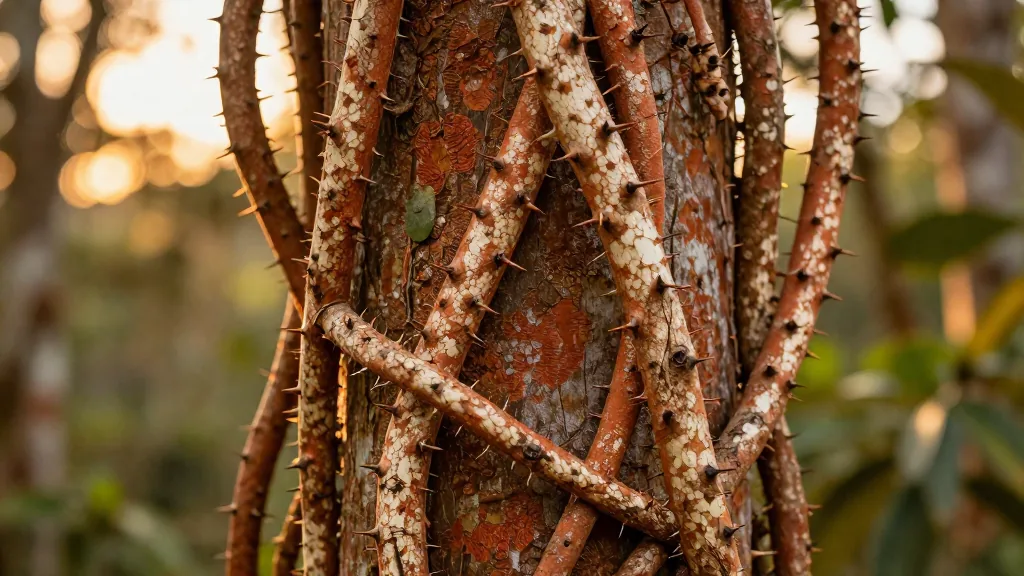
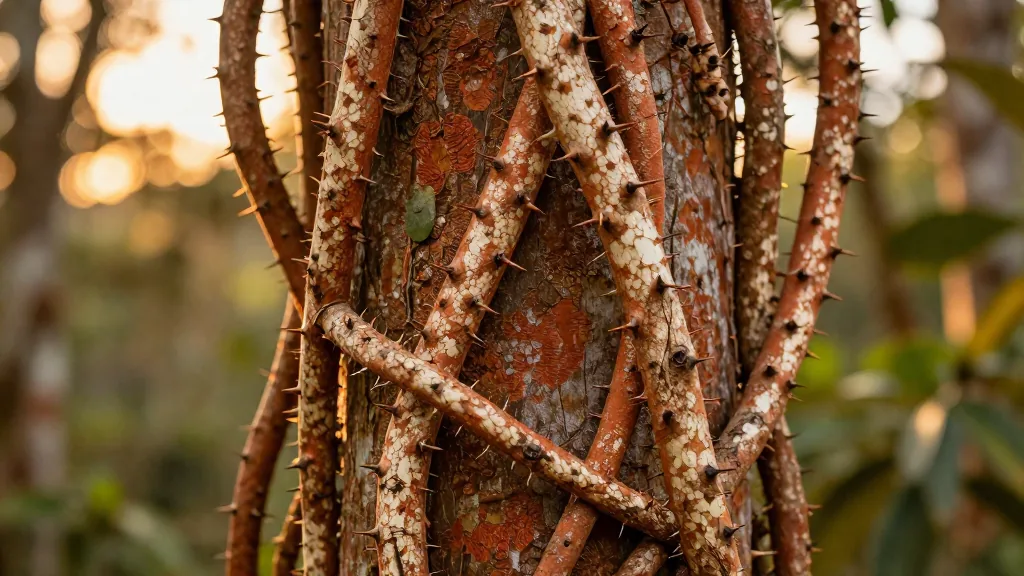
Cat’s claw (Uncaria tomentosa) is a woody vine native to the Amazon Rainforest of Peru and neighboring South American countries, used for nearly 2,000 years by Amazonian tribes including the Asháninka and Quechua to manage inflammation, support immunity, and treat digestive issues. The name comes from the hook-shaped thorns along its stem, which resemble a cat’s claws.
In Western markets, cat’s claw is sold as a dietary supplement. The FDA classifies it as a food supplement, not a pharmaceutical drug—a distinction that matters because the evidence bar for supplements is lower than for prescription medications. Clinical trials are fewer and smaller than those required for drug approval.
Two species dominate the market:
- Uncaria tomentosa — the most studied species, found in roughly 70% of commercial products
- Uncaria guianensis — less researched, with a different alkaloid profile, and often mislabeled on product packaging
The honest case for cat’s claw: it is inexpensive, has a long safety record, and emerging research supports its use for arthritis and inflammation. As one user put it, "the only downside to this herb is that it hasn’t got as much clinical trials as I’d like it to have." That is the right starting point. There is enough evidence to take seriously—not enough to take on faith.
A Brief History — From the Amazon to Your Supplement Shelf
2,000 Years of Traditional Use
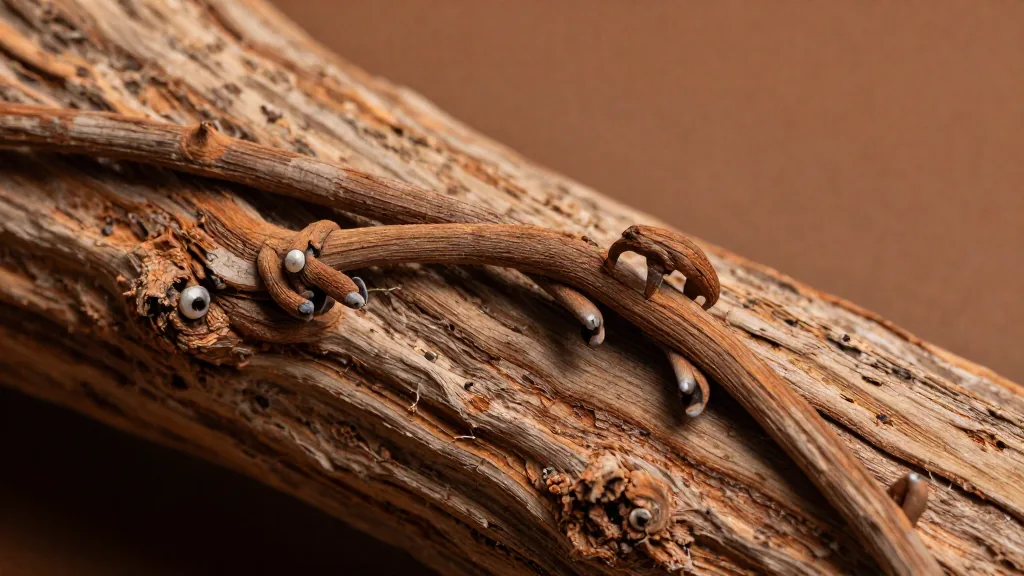
Cat’s claw has been used in the rainforests of Peru and Ecuador for approximately 2,000 years. The Asháninka and Quechua tribes harvested the bark and roots of Uncaria tomentosa to manage joint pain, reduce fevers, and support recovery from infections. Traditional use is not clinical proof, but it is a meaningful signal. A plant used consistently across centuries and cultures suggests a real biological effect—even if that effect is narrower than modern marketing claims.
How Cat’s Claw Reached Western Medicine
Cat’s claw remained largely unknown outside South America until the 1990s, when European and American herbalists began importing it. By the 2000s, cat’s claw was available in health food stores across the West, riding a wave of interest in Amazonian botanicals.
The problem: popularity outpaced research. By the time cat’s claw was widely available, only a handful of clinical trials existed. The NCCIH (National Center for Complementary and Integrative Health) and Memorial Sloan Kettering Cancer Center reviewed the available evidence in the early 2000s. Their conclusions were cautious: preliminary evidence for arthritis, insufficient evidence for most other claims.
Today, cat’s claw occupies an interesting position—more popular than the evidence strictly warrants, but with enough real research to merit serious consideration rather than dismissal.
Active Compounds — What’s Actually Inside Cat’s Claw
Cat’s claw contains dozens of chemical compounds. Three categories are responsible for most of its biological activity:
Oxindole Alkaloids (The Star Players)
Oxindole alkaloids are nitrogen-containing molecules that drive cat’s claw’s immune-modulating and anti-inflammatory effects. The specific alkaloids include isopteropodina, pteropodina, and mitrafilina.
Here is the mechanism in plain language:
- Cat’s claw is ingested and the oxindole alkaloids enter the bloodstream
- The alkaloids stimulate phagocytes—immune cells that engulf and destroy pathogens
- The alkaloids also activate T-helper cells—immune cells that coordinate the broader immune response
- This dual stimulation is why cat’s claw is called an immune modulator, not a simple booster: it helps the immune system respond more intelligently, not just more aggressively
If a product label says "standardized to oxindole alkaloids," that is a positive sign. It means the manufacturer measured and controlled the active compounds rather than simply weighing the raw powder.
One critical caveat: Uncaria tomentosa and Uncaria guianensis have different alkaloid profiles. The majority of published clinical research used U. tomentosa. If you are basing a decision on evidence, U. tomentosa is the species to choose.
Tannins
Tannins are astringent compounds with antimicrobial properties. They are responsible for cat’s claw’s characteristic bitter taste. Tannins explain why cat’s claw has been used traditionally for infections and digestive issues, and they contribute to the plant’s overall anti-inflammatory activity.
Polyphenols and Antioxidants
Cat’s claw is also rich in polyphenols and antioxidants, which support anti-inflammatory activity by neutralizing oxidative stress—the cellular damage caused by free radicals. These compounds are less studied than the oxindole alkaloids but likely contribute to the overall therapeutic effect.
The quality problem: as WebMD notes, "the amounts of each chemical in a specific cat’s claw product may vary." Two bottles with identical labels can have dramatically different alkaloid concentrations depending on the plant part used (bark vs. root), the extraction method, and the species. This is why standardization and third-party testing are non-negotiable when selecting a product.
Want to know if cat’s claw is right for your specific condition? The evidence table and interaction matrix are below—skip ahead if that’s what you need.
What Is Cat’s Claw Used For? Benefits and Evidence by Condition
Cat’s claw is promoted for a wide range of conditions. The following section separates what research actually supports from what remains anecdotal.
Arthritis and Joint Inflammation
Arthritis is the strongest evidence base for cat’s claw. Multiple clinical trials have examined Uncaria tomentosa for both osteoarthritis (wear-and-tear joint damage) and rheumatoid arthritis (autoimmune joint inflammation).
Key findings from published research:
- A trial published in the Journal of Rheumatology found that rheumatoid arthritis patients taking U. tomentosa experienced statistically significant reductions in joint swelling and pain compared to placebo
- A separate trial showed measurable improvements in osteoarthritis symptoms over a 4-week period
- Studies were small—typically 40–100 participants over 4–24 weeks—but the direction of evidence is consistent across trials
The NCCIH position: preliminary evidence supports cat’s claw for arthritis. Larger, longer-term trials are needed. In practice, the evidence is real enough to justify a trial period. It is not strong enough to replace conventional treatment.
Immune System Support
Cat’s claw is widely promoted as an "immune booster." That framing is imprecise. The oxindole alkaloids modulate immune function—helping the immune system respond more appropriately to threats, whether viral or inflammatory. This is why cat’s claw is used both for viral infections and for conditions involving immune overactivation.
A few small studies suggest cat’s claw may reduce infection severity or duration. No large, definitive trials exist. The modulation-versus-stimulation distinction matters enormously for people with autoimmune conditions or those taking immunosuppressant medication—see the safety section below.
General Anti-Inflammatory Effects
Beyond joints, cat’s claw is used for systemic inflammation—the chronic, low-grade inflammatory state linked to aging, cardiovascular disease, and metabolic dysfunction.
The key mechanism: a landmark study by Sandoval-Chacón et al., published in Alimentary Pharmacology & Therapeutics (1998), demonstrated that cat’s claw extracts inhibited NF-kappaB activation in human cells. NF-kappaB functions as a master switch for inflammation—when it is activated, it triggers the production of inflammatory cytokines including TNF-alpha throughout the body. Inhibiting NF-kappaB reduces this inflammatory cascade. This finding explains why cat’s claw is studied for conditions ranging from inflammatory bowel disease (IBD) to general age-related inflammation.
The caveat: most NF-kappaB research is in vitro (cell cultures) or animal models. Human trials are sparse and small. Memorial Sloan Kettering Cancer Center notes ongoing scientific interest but stops short of clinical recommendations beyond arthritis.
Evidence by Condition — At a Glance
| Condition | Evidence Level | Notes |
|---|---|---|
| Osteoarthritis | MODERATE | Multiple small RCTs; consistent direction of effect |
| Rheumatoid arthritis | MODERATE | Small trials; use alongside, not instead of, conventional care |
| Immune support (general) | LOW–MODERATE | Mechanistic evidence strong; human trials limited |
| Viral infections (cold/flu) | LOW | Preliminary only; no large controlled trials |
| IBD / digestive inflammation | LOW | NF-kappaB mechanism plausible; human data sparse |
| COVID-19 | INSUFFICIENT | No rigorous clinical evidence; social media hype only |
| Cancer | INSUFFICIENT | Mostly animal studies; do not substitute for oncology care |
| HIV/AIDS | INSUFFICIENT | No clinical benefit demonstrated in human trials |
| Alzheimer’s disease | NONE | Anecdotal reports only; no clinical research |
What Cat’s Claw Is NOT Proven to Treat
To be direct about the limits of the evidence:
- Cancer: evidence is limited to animal studies. Cat’s claw must not substitute for oncology treatment.
- HIV/AIDS: preliminary research only; no clinical benefit demonstrated in human trials.
- Alzheimer’s disease: no credible clinical evidence exists.
- COVID-19: no rigorous clinical evidence supports cat’s claw as a preventative or treatment.
Cat’s claw is best understood as complementary support for chronic inflammation and joint issues—not a replacement for conventional medical care.
Before you buy, learn to read a cat’s claw supplement label—not all products are equivalent. Jump to the buying guide below.
Is Cat’s Claw Safe? Contraindications, Side Effects, and Drug Interactions
Cat’s claw safety depends heavily on individual health status and concurrent medications. The plant is generally safe for most healthy adults at recommended doses, but specific populations face real risks.
Who Should Avoid Cat’s Claw
The following groups should avoid cat’s claw or consult a physician before use:
- Pregnant or breastfeeding women: cat’s claw has been used traditionally in some Amazonian cultures to induce abortion. Modern safety data is absent. Avoid entirely during pregnancy and lactation.
- People with autoimmune diseases: cat’s claw’s immune-modulating effects can interfere with treatment for lupus, multiple sclerosis, or rheumatoid arthritis managed with immunosuppressants. As the NCCIH states, "if you have an autoimmune disease, consult your health care provider before using cat’s claw." This is a requirement, not a suggestion.
- Pre-surgery patients: cat’s claw has mild anticoagulant and antiplatelet properties. Discontinue use at least 2 weeks before any surgical procedure to reduce bleeding risk.
- Children: no established safety data exists for pediatric use.
- People taking blood thinners or anticoagulants: see the interaction table below.
Potential Side Effects
At recommended doses, cat’s claw is well-tolerated. Reported side effects include:
- Nausea (most common at higher doses)
- Dizziness
- Headache
- Stomach upset
The bitter taste is normal—it reflects the tannin content, not poor quality or toxicity.
Drug Interactions — Full Matrix
| Drug / Drug Class | Type of Interaction | Risk Level | What to Do |
|---|---|---|---|
| Warfarin (Coumadin) | Potentiates anticoagulant effect; increased bleeding risk | HIGH | Avoid entirely; consult cardiologist if interested |
| Aspirin / antiplatelet drugs | Additive antiplatelet effect | HIGH | Avoid or consult doctor; monitor for bleeding signs |
| Immunosuppressants (cyclosporine, methotrexate, azathioprine) | May reduce drug efficacy or destabilize condition | HIGH | Avoid; not compatible with immunosuppressive therapy |
| Antihypertensives (ACE inhibitors, beta-blockers, calcium channel blockers) | May enhance blood pressure-lowering effect | MODERATE | Monitor blood pressure closely; dose adjustment may be needed |
| Antacids / H2 blockers (omeprazole, ranitidine) | Tannins may reduce medication absorption | LOW–MODERATE | Take cat’s claw at least 2 hours apart from these drugs |
| Chemotherapy agents | Mechanism unclear; interaction potential exists | HIGH | Consult oncologist before any use |
| HIV antiretrovirals | Possible CYP3A4 enzyme interaction affecting drug levels | MODERATE | Consult HIV specialist before use |
| Diabetes medications | Possible additive glucose-lowering effect | LOW–MODERATE | Monitor blood sugar; dose adjustment may be needed |
If you take any of the drugs listed above, the appropriate response is not to panic—many interactions can be managed with timing adjustments or monitoring. A five-minute conversation with your doctor or pharmacist is the most important step before starting cat’s claw.
Cat’s Claw vs. Similar Plants — Don’t Get Confused
Several plants share similar names and overlapping uses. Buying the wrong one is a common and avoidable mistake.
Cat’s Claw vs. Devil’s Claw
Devil’s claw (Harpagophytum procumbens) is the most common mix-up—and a meaningful one, because the two plants are entirely different:
| Characteristic | Cat’s Claw | Devil’s Claw |
|---|---|---|
| Latin name | Uncaria tomentosa | Harpagophytum procumbens |
| Origin | Amazon Rainforest, Peru | Kalahari Desert, southern Africa |
| Active compounds | Oxindole alkaloids | Harpagoside (iridoid glycoside) |
| Primary use | Arthritis, immune modulation | Arthritis, back pain |
| Interchangeable? | No | No |
Both plants have preliminary evidence for arthritis, but they work through different mechanisms and are not interchangeable. Always verify the Latin name on the label before purchasing.
Cat’s Claw vs. Cat’s Foot
Cat’s foot (Antennaria spp.) is a small flowering plant native to Europe and North America. Cat’s foot has no established medicinal use comparable to cat’s claw and is rarely sold as a supplement. The name similarity causes confusion in online searches.
The rule: always verify the Latin name on the label. Cat’s claw is Uncaria tomentosa or Uncaria guianensis. A label that says only "cat’s claw" without specifying the Latin name is a red flag—it suggests the manufacturer either does not know or does not disclose what they are selling.
Uncaria tomentosa vs. Uncaria guianensis
Both species are sold as "cat’s claw," but they are not equivalent:
| Characteristic | Uncaria tomentosa | Uncaria guianensis |
|---|---|---|
| Research volume | Extensive (approximately 70% of published studies) | Limited |
| Alkaloid profile | Well-characterized; consistent across studies | Less studied; variable |
| Clinical evidence | Arthritis, immunity (moderate evidence) | Minimal human trials |
| Availability | Widely available; majority of commercial products | Less common; often mislabeled |
| Recommendation | Preferred for supplementation | Use only if U. tomentosa is unavailable |
If a product does not specify which species it contains, default to U. tomentosa—the species with the most evidence and the most consistent quality control standards.
How to Buy and Use Cat’s Claw — A Practical Guide
Choosing the right cat’s claw product requires navigating a largely unregulated supplement market. The following guidance is based on published clinical trial protocols and established quality standards.
Choosing the Right Form
| Form | Pros | Cons | Best For |
|---|---|---|---|
| Standardized extract (capsule/tablet) | Consistent dosing; convenient; stable shelf life | More expensive; may contain fillers | Most users; those prioritizing reliability |
| Bark tea / loose bark | Traditional preparation; affordable; minimal processing | Inconsistent potency; bitter taste; harder to dose accurately | Traditionalists; budget-conscious users |
| Tincture (liquid extract) | Fast absorption; flexible dosing | Alcohol content; variable standardization | Those who prefer liquid formats |
| Liposomal delivery | Enhanced bioavailability claims | Premium price; limited efficacy research | Those with documented absorption issues |
| Raw powder | Versatile; affordable | Difficult to dose accurately; taste; stability concerns | DIY users; custom formulations |
For most people, a standardized extract capsule from a reputable brand offers the best balance of consistency, convenience, and alignment with published research.
What to Look for on the Label
When evaluating a cat’s claw product, check these six criteria:
- Species name: the label must state Uncaria tomentosa. "Cat’s claw" alone without a Latin name is insufficient.
- Standardization: look for "standardized to X% oxindole alkaloids." Quality products specify 3% or higher. This confirms the manufacturer measured and controlled the active compounds.
- Third-party testing: look for certification from USP, NSF International, or Informed Sport. These organizations independently verify purity, potency, and absence of contaminants.
- No proprietary blends: products that list individual ingredient amounts are preferable. Proprietary blends obscure how much cat’s claw is actually present.
- Country of origin: Peru is the traditional source and often—though not always—a marker of quality.
- Expiration date and storage instructions: cat’s claw degrades over time. Purchase fresh stock and store in a cool, dry location.
Dosage Guidelines
No universally established therapeutic dose exists for cat’s claw. The following ranges are based on published clinical trials and traditional use protocols:
- Standardized extract (3% oxindole alkaloids): 250–350 mg once or twice daily. Most clinical studies used 250–500 mg/day in two divided doses. Begin at the lower end.
- Bark tea: 1 gram of bark simmered in 250 ml of water for 15 minutes. Drink 1–3 cups per day. Less consistent in potency than standardized extracts.
- Tincture: follow manufacturer instructions. Typically 1–2 ml, 2–3 times daily.
How Long Until Cat’s Claw Works?
The timeline depends on the condition being treated:
- Acute inflammation: some users report effects within 24–48 hours. This is possible but not typical.
- Chronic conditions (arthritis, systemic inflammation): clinical trials used 4–24 weeks of consistent use before measuring outcomes. Allow 4–6 weeks minimum before assessing whether cat’s claw is effective for a chronic condition.
Many practitioners recommend cycling: 8 weeks on, 2 weeks off. This approach is precautionary—long-term safety data beyond several months is limited, and cycling may prevent tolerance.
Practical starting protocol:
- Begin with 250 mg once daily, taken with food
- After 7 days, increase to 250 mg twice daily if well-tolerated
- Assess response at 4–6 weeks
- If improvement is observed, continue; if not, discontinue
Frequently Asked Questions
What is cat’s claw primarily used for?
Cat’s claw (Uncaria tomentosa) is primarily used for joint pain and inflammation, particularly osteoarthritis and rheumatoid arthritis, where multiple small clinical trials show consistent benefit. Secondary uses include general immune support and anti-inflammatory effects. Research supports these uses at a preliminary level—sufficient to justify a trial, not sufficient to call the evidence definitive.
Is cat’s claw the same as devil’s claw?
No. Cat’s claw (Uncaria tomentosa) is an Amazonian vine; devil’s claw (Harpagophytum procumbens) is a southern African plant. Both are used for arthritis but contain different active compounds—oxindole alkaloids versus harpagoside—and work through different mechanisms. They are not interchangeable. Always verify the Latin name on any supplement label.
Who should not take cat’s claw?
Pregnant or breastfeeding women should avoid cat’s claw entirely. People with autoimmune diseases, those taking anticoagulants (warfarin, aspirin) or immunosuppressants (methotrexate, cyclosporine), and patients scheduled for surgery within 2 weeks should consult a physician before use. No pediatric safety data exists; children should not take cat’s claw.
What does cat’s claw do to the immune system?
Cat’s claw modulates immune function by stimulating phagocytes and T-helper cells via its oxindole alkaloids. Modulation differs from simple stimulation—it helps the immune system respond more appropriately rather than more aggressively. This effect can benefit people fighting infections but may interfere with immunosuppressant medications or destabilize autoimmune conditions.
How do I identify a quality cat’s claw product?
Look for Uncaria tomentosa specified by Latin name, standardization to at least 3% oxindole alkaloids, and third-party certification from USP, NSF International, or Informed Sport. Avoid products that list only "cat’s claw" without a Latin name, use proprietary blends, or lack standardization information. Country of origin (Peru) is a secondary quality indicator.
How long does cat’s claw take to work?
For acute inflammation, some users report effects within 24–48 hours. For chronic conditions such as osteoarthritis or rheumatoid arthritis, clinical trials measured outcomes after 4–24 weeks of consistent use. Allow a minimum of 4–6 weeks before concluding whether cat’s claw is effective for a chronic condition. Do not expect overnight results for long-standing joint problems.
Is daily cat’s claw use safe long-term?
Short-term daily use up to several months appears generally safe for healthy adults at recommended doses (250–500 mg/day of standardized extract). Long-term safety data beyond a few months is limited. Many practitioners recommend cycling—8 weeks on, 2 weeks off—as a precautionary measure. Consult a healthcare provider for use beyond 3 months or if any underlying health conditions are present.
The Bottom Line
Cat’s claw (Uncaria tomentosa) is a plant with real biological activity, supported by a plausible and well-studied mechanism. The oxindole alkaloids it contains measurably modulate immune function and reduce inflammatory signaling by inhibiting the NF-kappaB pathway—a finding documented in peer-reviewed research since 1998. For arthritis and joint inflammation, multiple small clinical trials show consistent, preliminary results. That evidence is real enough to justify a trial period of 4–6 weeks. It is not strong enough to replace conventional medical treatment.
Cat’s claw is not a cure-all. The conditions with credible evidence are osteoarthritis, rheumatoid arthritis, and general immune modulation. Claims about cancer, HIV/AIDS, Alzheimer’s disease, and COVID-19 are not supported by rigorous clinical evidence.
Before starting cat’s claw, answer three questions:
- Do I have a condition cat’s claw is used for? Arthritis and chronic inflammation are the most evidence-based uses.
- Am I taking any medications that might interact? Review the interaction matrix above, then confirm with a pharmacist.
- Am I willing to use it consistently for 4–6 weeks before deciding if it works? Patience is required for chronic conditions.
If the answer to all three is yes, cat’s claw is a reasonable option to discuss with your healthcare provider. If you are pregnant, have an autoimmune disease, or take anticoagulants, that conversation is not optional—it is the first step.
Talk to your doctor or pharmacist before starting cat’s claw, especially if you take anticoagulants or have an autoimmune disease.
Compare cat’s claw with turmeric and MSM for joint pain → [See the full comparison]
Related guides
Ready to try it? See Ground Rise Cat’s Claw extract →