 Ground Rise
Cat’s Claw for Lyme Disease: Evidence, Dosing Protocol, and Decision Framework

If you’ve finished antibiotics for Lyme disease and still feel terrible—you’re not imagining it.
You completed the course. Your tests may have normalized. But every morning still brings joint stiffness, brain fog that clouds your thinking, and fatigue that no amount of sleep fixes. Your specialist says "Lyme is treated." The door closes. The symptoms stay.
That gap is exactly what this article addresses.
You’ll find an honest summary of what the research actually shows about cat’s claw (Uncaria tomentosa) and Borrelia burgdorferi—including its real limitations. An exact dosing protocol. A clear framework for managing the Herxheimer reaction. Specific criteria for choosing a quality extract. And a decision framework that tells you whether cat’s claw makes sense for your case—or whether it doesn’t.
By the end, you’ll know what to do and exactly how to start.
Why Chronic Lyme Patients Are Turning to Cat’s Claw
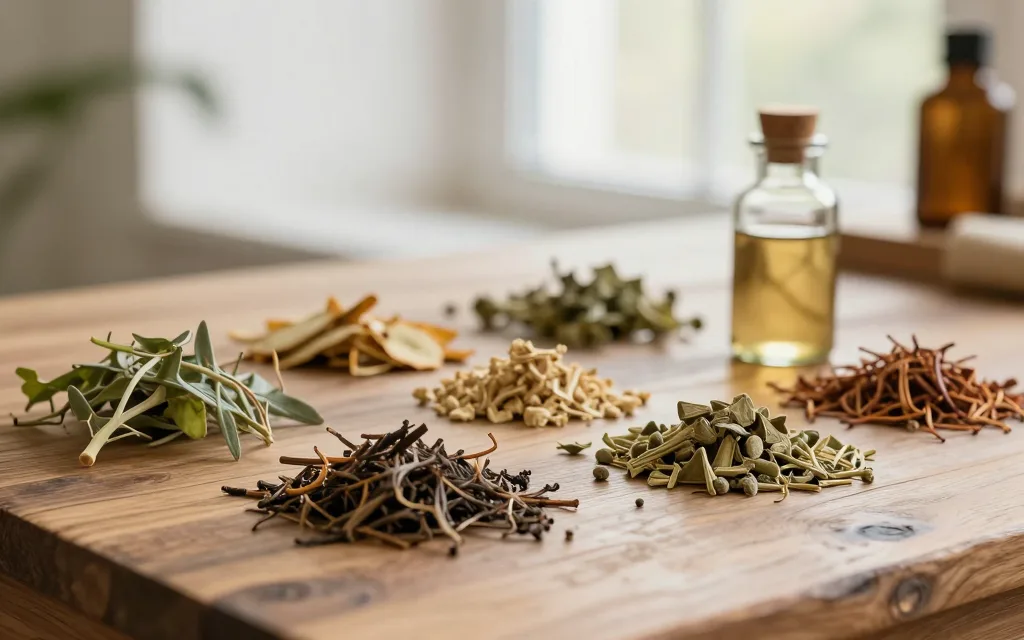
Persistent Lyme disease—sometimes called chronic Lyme—affects an estimated 10–20% of patients treated for Borrelia burgdorferi infection, according to Project Lyme and LymeDisease.org. These patients complete a standard antibiotic course, watch their test results normalize, and still live with joint stiffness, brain fog, and fatigue that no amount of sleep resolves.
Though chronic inflammation is invisible on most standard blood panels, patients experience it acutely: joint discomfort, morning stiffness, general achiness, low stamina, and cognitive difficulty. Conventional rheumatologists often have little to offer beyond dismissal. The result is a growing population of patients researching botanical interventions—particularly cat’s claw—as a tool for addressing persistent inflammation and residual bacterial burden that antibiotics may not fully resolve.
The appeal is real: a plant-derived compound with centuries of traditional use, emerging laboratory evidence from Johns Hopkins, and a lower access barrier than another prescription round. Whether the evidence supports that appeal is a different question—and the one this article answers directly.
What Is Cat’s Claw (Uncaria tomentosa)?

Uncaria tomentosa is a woody Amazonian vine whose claw-shaped thorns give it the common name "cat’s claw." Indigenous Peruvian and Ecuadorian healers have used cat’s claw for centuries as a traditional remedy for arthritis, inflammation, and immune support.
Cat’s claw contains dozens of bioactive compounds. The most studied are the oxindole alkaloids—nitrogen-containing molecules that influence immune function and inflammatory pathways. These alkaloids fall into two categories:
- Pentacyclic Oxindole Alkaloids (POAs): The immunomodulating and anti-inflammatory compounds of primary interest in Lyme protocols.
- Tetracyclic Oxindole Alkaloids (TOAs): Compounds some researchers believe may antagonize the beneficial effects of POAs.
This distinction has direct practical consequences. The POA/TOA ratio determines whether an extract is labeled TOA-free—a formulation processed to remove or minimize TOAs and concentrate POAs. Most Lyme-literate integrative practitioners recommend TOA-free extracts specifically because of this alkaloid profile. The quality of the extract you purchase directly affects its potential efficacy.
What the Research Actually Shows: Cat’s Claw vs. Borrelia burgdorferi
The Johns Hopkins Comparative Study
The most frequently cited research on cat’s claw and Lyme disease comes from Johns Hopkins University, where researchers conducted a comparative screening of herbal medicines against Borrelia burgdorferi—the spirochete bacterium that causes Lyme disease.
The study tested botanical extracts against Borrelia in two forms:
- Motile spirochete form — the typical free-floating bacterial state
- Rounded persister form — the dormant state notoriously resistant to antibiotics
Cat’s claw extract reduced both spirochetes and rounded persister forms of Borrelia burgdorferi. It also disrupted and reduced the size of biofilm—the protective bacterial matrix that allows Borrelia to evade immune attack and antibiotic penetration.
Biofilm matters in chronic Lyme because Borrelia often exists not as free-floating spirochetes but as biofilm-protected communities. Antibiotics penetrate biofilm poorly. Cat’s claw’s ability to disrupt biofilm architecture theoretically allows both immune cells and other antimicrobials to reach bacteria more effectively.
Critical limitation: This evidence is entirely in vitro—derived from laboratory dishes, not human bodies. Bacteria were exposed to cat’s claw extract under controlled conditions, not within the complex environment of a living immune system, gut microbiome, and organ systems. In vitro activity does not guarantee clinical efficacy. Many compounds kill Borrelia in a petri dish and fail to produce measurable benefit in patients.
The 2023 PMC/NIH Review on Supplements in Persistent Lyme
A 2023 review published in NIH’s PubMed Central examined botanical and nutraceutical interventions in persistent Lyme disease. The review acknowledged cat’s claw as a candidate therapy with mechanistic rationale and in vitro support, but was explicit: large-scale human clinical trials are absent.
The review’s conclusion was measured—insufficient evidence to recommend cat’s claw as a first-line treatment, but enough preclinical data and practitioner experience to justify its use as an adjunctive therapy in integrative protocols, provided it is used appropriately and under supervision.
No randomized controlled trials in humans have demonstrated that cat’s claw cures or significantly improves chronic Lyme disease. What exists is suggestive preclinical evidence and practitioner observational data—not proof. Any source claiming otherwise is overstating the evidence.
How Cat’s Claw Addresses Chronic Inflammation: The NF-kB Mechanism
In chronic Lyme disease, the immune system remains activated long after the acute infection has been treated. The molecular switch driving that persistent activation is the NF-kB cascade—a signaling pathway that controls production of pro-inflammatory compounds including TNF-alpha and IL-6.
When NF-kB stays chronically activated, it perpetuates the inflammation patients experience as joint pain, stiffness, fatigue, brain fog, and general achiness. The Pentacyclic Oxindole Alkaloids in cat’s claw appear to modulate NF-kB signaling—reducing the inflammatory signal rather than simply suppressing the immune system broadly.
Cat’s claw also has immunomodulatory effects distinct from immunosuppression. Rather than blunting immune function (as corticosteroids do), cat’s claw appears to support regulatory T cells and reduce excessive inflammatory responses—a balanced approach potentially preferable for a disease where immune dysregulation is a core feature.
The practical implication: cat’s claw may address both residual bacterial burden (through biofilm disruption) and the inflammatory aftermath (through NF-kB modulation), which explains its presence in integrative Lyme protocols targeting both mechanisms simultaneously.
Cat’s Claw vs. Other Herbal Options for Lyme
Japanese Knotweed (Polygonum cuspidatum): Complementary, Not Competitive
Japanese knotweed (Polygonum cuspidatum) is the most commonly paired botanical in integrative Lyme protocols. Its primary active compounds are resveratrol and stilbene polyphenols with antioxidant and anti-inflammatory properties.
Japanese knotweed was evaluated in the same Johns Hopkins comparative study as cat’s claw. Its activity against Borrelia was confirmed, but its strength appeared to lie more in addressing neurological manifestations—cognitive dysfunction and encephalopathy—than in direct spirochete or biofilm reduction.
The key distinction between cat’s claw and Japanese knotweed:
- Cat’s claw targets biofilm disruption and NF-kB inflammatory cascade modulation
- Japanese knotweed addresses neuroinflammation and provides antioxidant support via resveratrol
Most integrative Lyme protocols use both together. If budget requires choosing one to start, cat’s claw has the stronger biofilm-disruption evidence—the mechanism most relevant to persistent Borrelia burden. Japanese knotweed can be added in Weeks 3–4 once cat’s claw tolerance is established.
Venus Fly Trap Extract: Role in Co-Infections
Venus Fly Trap extract (also marketed as Carnivora) has gained interest in Lyme circles primarily among patients with Bartonella co-infection—a complication in which Bartonella henselae or related species are transmitted alongside Borrelia burgdorferi by the same tick.
Venus Fly Trap is believed to have immune-modulating properties potentially useful against Bartonella‘s tendency to cause vascular proliferation and chronic inflammatory symptoms. The evidence base is substantially thinner than for cat’s claw or Japanese knotweed. Venus Fly Trap functions as a secondary agent in complex multi-infection protocols rather than a primary botanical.
Patients with confirmed or suspected Bartonella co-infection may find cat’s claw included in their protocol alongside Venus Fly Trap or other agents specifically chosen for Bartonella.
When Cat’s Claw Has a Specific Advantage
Cat’s claw stands out among commonly used Lyme botanicals for four reasons:
- Biofilm disruption activity — Japanese knotweed and Venus Fly Trap are primarily anti-inflammatory and immune-modulatory. Cat’s claw directly interferes with biofilm architecture—a key barrier to bacterial clearance in chronic Lyme.
- Dual mechanism — Cat’s claw addresses both persistent bacterial burden (biofilm disruption) and inflammatory aftermath (NF-kB modulation), making it relevant across different phases of chronic Lyme.
- Standardized TOA-free extracts are commercially available — Unlike some botanicals that are difficult to standardize, high-quality TOA-free cat’s claw extracts with verified POA content are available from reputable suppliers.
- Established clinical track record — Cat’s claw has been used in integrative Lyme protocols for over a decade. Lyme-literate practitioners, including Dr. Bill Rawls, have accumulated observational data on safety and tolerability across hundreds of patients.
The Dosing Protocol: How to Start, Escalate, and Manage Herxheimer Reactions
Starting Low: The Critical First Week
The most important rule in starting cat’s claw for Lyme disease: begin lower than you think necessary, and escalate slowly.
Cat’s claw can trigger a Herxheimer reaction—a temporary worsening of symptoms caused by bacterial die-off. The lower the starting dose, the milder the reaction tends to be. Some individuals are also sensitive to cat’s claw’s immune effects and may experience headaches, mild fever, or intensified joint pain even at low doses. Starting low allows you to assess individual tolerance before committing to a full protocol.
Liquid Extract Protocol (Most Common Starting Method)
If using a liquid cat’s claw extract (alcohol-based or glycerin-based), begin with a single drop on Day 1. It is very critical that you do only one drop the first day.
Week 1 escalation schedule for liquid extract:
| Day | Dose | Frequency | Total Daily Drops |
|---|---|---|---|
| 1 | 1 drop | Once (morning) | 1 |
| 2 | 1 drop | Twice (morning, evening) | 2 |
| 3 | 2 drops | Twice | 4 |
| 4 | 2 drops | Three times | 6 |
| 5 | 3 drops | Three times | 9 |
| 6 | 4 drops | Three times | 12 |
| 7 | 5 drops | Three times | 15 |
Practical notes for liquid extract use:
- Use the dropper that comes with the bottle; consistency matters more than precision
- Take each dose in a small amount of water or juice to minimize the bitter taste
- If strong symptoms appear at any point, hold at the current dose for 2–3 days before escalating further
- Take cat’s claw with food to minimize gastrointestinal upset
Capsule/Tablet Protocol
For standardized capsules (typically 300–500 mg of cat’s claw extract per capsule), the escalation follows the same principle adjusted for discrete dosing units:
| Week | Dose | Frequency | Total Daily Dose |
|---|---|---|---|
| 1 | 1 capsule | Once daily | 300–500 mg |
| 2 | 1 capsule | Twice daily | 600–1,000 mg |
| 3 | 2 capsules | Twice daily | 1,200–2,000 mg |
| 4+ | 2–3 capsules | 2–3× daily | 1,200–4,500 mg |
Escalation Schedule: Weeks 2–8
After the initial week, most protocols follow a gradual escalation toward a therapeutic dose. The goal is to reach a dose sufficient to exert anti-inflammatory and biofilm effects without triggering an overwhelming Herxheimer reaction.
Therapeutic dose ranges:
- Liquid extracts: 1–3 mL (approximately 30–60 drops) taken 2–3 times daily, depending on extract concentration. Always verify on the label—formulations vary.
- Capsules: 2–3 capsules (600–1,500 mg) taken 2–3 times daily, depending on standardization.
Duration: Most integrative practitioners recommend a minimum of 3 months at therapeutic dose before re-evaluating. Chronic Lyme is a persistent condition, and botanical remedies work more slowly than pharmaceuticals. Some patients notice improvements within 4–8 weeks; others require 3–6 months. A subset reports no benefit even after extended use.
If no improvement appears after 3 months—and no significant Herxheimer reaction has occurred—it is reasonable to conclude that cat’s claw is not the right tool for that case. Discontinue and explore other options with a practitioner.
Want a printable version of these tables to bring to your next appointment? Our stepped dosing guide PDF includes week-by-week escalation schedules, a Herxheimer symptom tracker, and a practitioner consultation template—all in one document.
[Download the Dosing Guide PDF →]
Understanding and Managing the Herxheimer Reaction
A Herxheimer reaction is a temporary worsening of symptoms caused by the rapid death of bacteria and the release of endotoxins—bacterial cell wall components—into the bloodstream and tissues. These endotoxins trigger an acute inflammatory response that manifests as flu-like symptoms. Understanding the Herxheimer reaction is what determines whether a patient continues with cat’s claw or abandons it after a few difficult days.
You may experience what’s called a Herxheimer reaction or a healing crisis—it’s very similar to flu-like symptoms, and this is caused by the bacterial die-off in the body.
Common Herxheimer symptoms include:
- Intensified fatigue or malaise
- Joint pain or increased stiffness
- Headache (sometimes severe)
- Low-grade fever (99–101°F)
- Chills or sweating
- Brain fog or difficulty concentrating
- Muscle aches
- Nausea or mild gastrointestinal upset
- Lymph node swelling or tenderness
Duration and Severity
In most cases, a Herxheimer reaction lasts 3–7 days. In sensitive individuals or those with high bacterial burden, the reaction can extend to 2–3 weeks. Severity is typically proportional to bacterial load and escalation speed—which is precisely why starting low and escalating slowly matters.
A practical threshold many patients need but rarely receive: if Day 10 brings a fever of 101°F that has not worsened, hold the current dose, increase hydration, rest, and allow 3–5 more days. If fever climbs above 102°F, does not improve after 14 days of holding the dose, or is accompanied by any red-flag symptoms listed below—stop the herb and contact a physician. The line between "uncomfortable but normal" and "needs evaluation" is that combination of temperature, trajectory, and duration.
The Cardinal Rule: Do Not Increase During a Herxheimer
Many patients, upon experiencing Herxheimer symptoms, either stop the herb entirely or—worse—increase the dose, believing they need to "push through." Both responses are counterproductive.
If you experience this, it’s important that you don’t increase your dosage—simply maintain until the symptoms subside.
The correct response to a Herxheimer reaction:
- Hold the current dose steady. Do not escalate until symptoms subside.
- Support detoxification:
- Drink at least 2–3 liters of water daily to help flush endotoxins through the kidneys
- Consider a binder such as activated charcoal or bentonite clay—taken separately from supplements, as binders can interfere with absorption—to help trap endotoxins in the gut
- Get adequate rest; the body is mounting an immune response and requires energy
- Avoid strenuous exercise; gentle walking or stretching is appropriate
- Support lymphatic drainage through dry brushing, massage, or lymphatic drainage techniques if tolerated
- Wait for symptoms to resolve, then resume the escalation schedule from the point where the reaction began.
Red Flags: When to Stop and Seek Medical Attention
Not all worsening symptoms during cat’s claw use are a benign Herxheimer reaction. Stop the herb immediately and contact a healthcare provider if any of the following occur:
- Chest pain or pressure — Requires immediate evaluation
- Difficulty breathing or shortness of breath — Potential sign of severe systemic reaction
- Severe headache with stiff neck — Could indicate meningitis; a medical emergency
- Neurological changes: confusion, loss of consciousness, seizures, or severe dizziness — Requires urgent evaluation
- Severe allergic reaction: hives, angioedema (facial swelling), or anaphylaxis — Stop immediately and seek emergency care
- Persistent high fever above 102°F — May indicate secondary infection or severe reaction
- Symptoms that worsen despite holding dose for 2+ weeks — Suggests the reaction is not self-limiting; further medical evaluation is needed
A Herxheimer reaction is uncomfortable but self-limiting, resolving as the body clears endotoxins. A true adverse reaction does not resolve with time and rest—it requires intervention.
Is Cat’s Claw Right for Your Case? A Decision Framework
Not every Lyme patient is a candidate for cat’s claw, and not every case will benefit. The role of cat’s claw differs significantly depending on disease stage, co-infections, and concurrent medications.
Early Lyme vs. Chronic/Persistent Lyme: Different Roles
Early Lyme Disease (Less Than 30 Days Since Tick Bite or Symptom Onset)
In early Lyme disease, antibiotics—typically doxycycline for adults—are the first-line and most effective treatment. Cat’s claw is not a replacement for antibiotics in this window. At best, cat’s claw is a potential adjunct that some integrative practitioners add to antibiotic therapy to reduce inflammation and support immune function. Any such combination requires explicit approval from the prescribing physician.
Bottom line for early Lyme: Antibiotics first. Cat’s claw is secondary and optional.
Chronic or Persistent Lyme Disease (More Than 6 Months Since Infection, Ongoing Symptoms Post-Antibiotic)
Chronic Lyme disease is where cat’s claw has its strongest rationale. In chronic Lyme, Borrelia burgdorferi may have transitioned into biofilm-protected, dormant, or persister forms that antibiotics penetrate poorly. The immune system remains dysregulated, driving chronic inflammation even when bacterial burden is low.
Cat’s claw’s biofilm-disrupting and NF-kB-modulating properties become more relevant in this context. Cat’s claw is not expected to eradicate the infection—that is an unrealistic expectation—but it may reduce inflammation, support immune rebalancing, and potentially disrupt biofilm communities harboring residual bacteria.
Patients who have completed antibiotic treatment and remain symptomatic after 6 or more months have a reasonable basis for considering cat’s claw within a broader integrative protocol.
With Co-Infections: Adjusting the Protocol
Tick-borne co-infections complicate the clinical picture. Bartonella henselae, Babesia, and Ehrlichia are frequently transmitted by the same tick that carries Borrelia burgdorferi.
With Bartonella co-infection: Cat’s claw has some evidence for anti-Bartonella activity, but it is not the strongest herbal option for this pathogen. Many practitioners add Venus Fly Trap extract or other agents specifically chosen for Bartonella. Confirmed Bartonella co-infection warrants a more complex protocol designed by a practitioner experienced in co-infection management.
With Babesia or other co-infections: Cat’s claw’s role becomes more peripheral. Primary focus should be on agents with demonstrated activity against the co-infecting pathogen.
The broader point: Multiple tick-borne infections require a multi-agent protocol. Do not attempt to self-design a multi-infection protocol. Work with a Lyme-literate integrative practitioner.
Many doctors will tell you that Lyme disease is not a concern in your area. Geographic awareness of tick-borne disease has improved, but co-infection rates and the geographic spread of Lyme remain underestimated by mainstream medicine. If you have multiple symptoms or a history of tick exposure in any endemic area, testing for co-infections is warranted before designing any herbal protocol.
When Cat’s Claw Is NOT the Right Choice
Recognizing when cat’s claw is contraindicated is as important as knowing when to use it.
Absolute Contraindications
- Pregnancy and breastfeeding: Cat’s claw’s immunostimulant effects have not been established as safe during pregnancy or lactation. Avoid entirely.
- Autoimmune conditions (lupus, rheumatoid arthritis, multiple sclerosis, Sjögren’s syndrome, and others): Cat’s claw is an immunostimulant. In autoimmune diseases where the immune system is already overactive, cat’s claw can trigger or worsen flares. Do not use without explicit clearance from a rheumatologist or autoimmune specialist.
Significant Drug Interactions
Cat’s claw may interact with several medication classes. Review this list carefully if you are managing multiple conditions:
- Anticoagulants (warfarin, apixaban, rivaroxaban): Cat’s claw has mild anticoagulant properties and may potentiate prescription anticoagulants, increasing bleeding risk.
- Immunosuppressants (methotrexate, azathioprine, tacrolimus): Cat’s claw’s immune-activating effects may counteract immunosuppressive therapy.
- Blood pressure medications (lisinopril, amlodipine, metoprolol, and others): Some reports suggest cat’s claw may lower blood pressure; concurrent use with antihypertensives requires monitoring.
- CYP3A4-metabolized drugs: Cat’s claw may inhibit the CYP3A4 enzyme, potentially increasing levels of drugs metabolized by this pathway—including atorvastatin, simvastatin, and certain antihistamines. Discuss with your pharmacist before starting.
Always disclose all supplements to your prescribing physician and pharmacist. Do not assume your doctor knows you are taking cat’s claw.
Clinical Scenarios Where Evidence Is Weak
- Early Lyme disease (less than 30 days): Antibiotics are proven; cat’s claw is unproven. Use antibiotics first.
- Acute Lyme arthritis: Intra-articular corticosteroid injections or NSAIDs have stronger evidence. Cat’s claw may be additive but should not replace proven treatments.
- Neuroborreliosis (Lyme encephalitis, meningitis): This is a medical emergency requiring IV antibiotics. Herbal therapy is not appropriate as a primary treatment.
Previous Trial Without Benefit
If cat’s claw has already been taken for 3 or more months at therapeutic dose without noticeable improvement—and without a significant Herxheimer reaction—it is reasonable to conclude the herb is not working for that case. Not every patient responds to every intervention. Rather than continuing indefinitely, shift focus to other modalities with a practitioner.
How to Choose a Quality Cat’s Claw Extract
TOA-Free vs. Standard Extracts: Why It Matters
TOA-free cat’s claw is an extract processed to remove or minimize Tetracyclic Oxindole Alkaloids (TOAs) while concentrating Pentacyclic Oxindole Alkaloids (POAs). The rationale is that TOAs may antagonize or interfere with the immune-modulating effects of POAs, making a TOA-free extract more effective for Lyme disease protocols.
Is the TOA-free hypothesis definitively proven? No. The scientific literature on TOA interference is limited, and some researchers argue that both alkaloid types contribute to cat’s claw’s beneficial effects. However, the TOA-free formulation has gained traction in the Lyme community, and most integrative practitioners—including those following Dr. Bill Rawls’ protocols—recommend TOA-free extracts based on mechanistic reasoning and clinical experience.
Practical implication: TOA-free extracts typically cost 20–40% more than standard extracts—roughly $30–55 for a quality one-month supply versus $18–30 for a standard extract. Most Lyme-literate practitioners consider that premium worth paying. Look for products explicitly labeled "TOA-free" or "pentacyclic-enriched."
Label Reading: What to Look For and What to Avoid
Not all cat’s claw products are created equal. Use this checklist when evaluating a product:
Look for:
- POA standardization: The label should specify the percentage of Pentacyclic Oxindole Alkaloids (e.g., "standardized to 3% POA"). Three to five percent is typical for effective extracts.
- TOA-free or "pentacyclic-enriched" designation: Confirms the extract has been processed to reduce TOAs.
- Peruvian origin: Uncaria tomentosa sourced from Peru has the most established alkaloid profile and the longest traditional use history.
- Third-party testing: Look for NSF certification, USP verification, or a Certificate of Analysis available on request. An independent lab has verified the contents.
- Extraction method: Alcohol or glycerin-based extracts are standard. Alcohol extracts are more concentrated; glycerin extracts are gentler on the stomach but may be less potent.
Avoid:
- Proprietary blends: If the label reads "Proprietary Lyme Support Blend" without listing individual ingredients or amounts, the cat’s claw content cannot be assessed.
- No alkaloid standardization: A label that makes no mention of POA content indicates a potentially low-quality or inconsistent product.
- Vague sourcing: "Sourced from South America" is insufficient. Peruvian origin should be specified.
- No third-party testing: If the company does not offer a Certificate of Analysis or third-party verification, assume quality control is minimal.
- Excessive additives or fillers: Review the "other ingredients" list. Unnecessary binders, colorants, or flow agents suggest a lower-quality formulation.
Ready to compare specific products? We’ve reviewed the TOA-free cat’s claw extracts most frequently recommended by Lyme patients and integrative practitioners—ranked by POA standardization, third-party testing, and sourcing transparency.
[Compare TOA-Free Extracts Reviewed by Lyme Patients →]
Sourcing and Storage
Peruvian origin is preferred. Uncaria tomentosa grows wild in Peru and has been harvested there for centuries. Peruvian suppliers have established relationships with indigenous communities and more consistent alkaloid profiles than extracts from other regions.
Storage directly affects potency. Cat’s claw extracts degrade with exposure to light, heat, and moisture.
- Liquid extracts: Store in a cool, dark cabinet away from heat sources. Alcohol-based extracts are stable for 3–5 years; glycerin-based extracts for 2–3 years if kept sealed.
- Capsules: Store in a cool, dry place. Avoid bathrooms (humidity) and direct sunlight. Capsules typically remain stable for 2–3 years if stored properly.
Check the expiration date on the label. Do not use expired products.
How to Talk to Your Doctor About Cat’s Claw
Many conventional physicians will be skeptical—or dismissive—of botanical Lyme interventions. That friction is real, and navigating it requires a specific approach. Frame the conversation to invite partnership rather than a lecture:
"I’ve been researching complementary approaches to manage my persistent Lyme symptoms. I’m interested in trying cat’s claw extract—it has in vitro evidence against Borrelia from Johns Hopkins and is used by integrative practitioners. I plan to start at a very low dose and escalate slowly. I wanted to inform you and check for any interactions with my current medications [list them]. Would you be willing to monitor me as I try this?"
This framing works because it: (1) demonstrates prior research, (2) acknowledges the physician’s authority, (3) emphasizes safety through slow escalation, and (4) requests partnership rather than permission.
If your doctor refuses to engage at all, consider consulting a Lyme-literate integrative practitioner in parallel. Conventional care and integrative support are not mutually exclusive—but at least one provider should be monitoring your progress.
Honest Expectations: What Patients Actually Report
Realistic Timeline and Outcomes
Timeline: Some patients report noticeable changes within 4–8 weeks of reaching therapeutic dose. Others require 3–6 months. A significant minority reports no benefit even after extended use. There is no reliable way to predict individual response without a trial.
What improvement actually looks like in patients who respond:
- Gradual reduction in joint stiffness, particularly in the morning
- Improved energy or reduced fatigue—often subtle at first
- Clearer thinking or reduced brain fog
- Decreased general achiness
- Better sleep quality, possibly due to reduced pain
What patients do NOT report—and should not expect:
- Complete eradication of Borrelia burgdorferi infection
- Rapid reversal of symptoms within days or weeks
- Normalization of all symptoms
- A cure that eliminates the need for other supportive measures
Cat’s claw is a tool that may reduce inflammation and support immune function, potentially improving quality of life. It is not a cure. It is not a replacement for medical care. And it does not work for everyone.
Integrating Cat’s Claw Into a Broader Lyme Protocol
Cat’s claw does not work in isolation. The most successful integrative Lyme protocols combine botanical support with lifestyle modifications and, when appropriate, conventional medical care.
A comprehensive Lyme protocol typically includes:
- Nutritional support: Anti-inflammatory diet low in sugar and processed foods, high in omega-3 fatty acids; micronutrient repletion including magnesium, vitamin D, B vitamins, and zinc; gut health support.
- Sleep and stress management: 7–9 hours of sleep, stress reduction through meditation or yoga, and circadian rhythm support. These are foundational, not optional.
- Herbal support: Cat’s claw, Japanese knotweed, and other botanicals chosen based on specific disease manifestations. Cat’s claw is typically introduced first; Japanese knotweed is added in Weeks 3–4.
- Movement and physical therapy: Gentle exercise, stretching, and physical therapy to maintain function and reduce pain.
- Medical supervision: Regular check-ins with a Lyme-literate integrative practitioner to monitor progress, adjust protocols, and screen for complications.
Cat’s claw is one component of this multi-faceted approach—not the entire solution.
Have questions about designing a protocol for your specific case? Finding the right practitioner is often the hardest part. We’ve compiled a guide to what to look for in a Lyme-literate integrative doctor—and how to find one who understands both conventional and botanical approaches.
[How to Find a Lyme-Literate Integrative Doctor →]
Frequently Asked Questions
Is cat’s claw proven to cure Lyme disease?
No. Johns Hopkins laboratory studies show cat’s claw reduces Borrelia burgdorferi spirochetes and biofilm in vitro, but no human clinical trials establish it as a cure. Cat’s claw is used as a supportive botanical in integrative protocols—not as a replacement for medical treatment. The realistic goal is symptom reduction and immune support, not infection eradication.
What is a Herxheimer reaction and how long does it last?
A Herxheimer reaction is a temporary worsening of symptoms—flu-like fatigue, joint pain, headache, low-grade fever—caused by bacterial die-off and endotoxin release. In cat’s claw Lyme protocols, the reaction typically lasts 3–7 days, occasionally up to 2–3 weeks. Hold your current dose, increase hydration to 2–3 liters daily, rest, and consider activated charcoal as a binder. Seek medical attention for fever above 102°F, chest pain, or neurological changes.
What is TOA-free cat’s claw and is it better for Lyme?
TOA-free cat’s claw is processed to remove Tetracyclic Oxindole Alkaloids (TOAs) and concentrate Pentacyclic Oxindole Alkaloids (POAs). The hypothesis is that TOAs may interfere with POAs’ immune-modulating effects. The evidence is not conclusive, but most Lyme-literate practitioners prefer TOA-free formulations. TOA-free extracts cost approximately 20–40% more—roughly $30–55 per month versus $18–30 for standard extracts.
Can I take cat’s claw with antibiotics for Lyme?
Some integrative practitioners combine cat’s claw with antibiotics, but only under direct medical supervision. Cat’s claw may interact with CYP3A4-metabolized drugs and can affect immune function. Combining cat’s claw with antibiotics may also increase Herxheimer reaction severity. Always disclose cat’s claw use to your prescribing physician and obtain explicit approval before combining with any antibiotic course.
How long should I take cat’s claw for chronic Lyme?
Most integrative Lyme protocols recommend a minimum of 3 months at therapeutic dose to assess benefit. Some patients continue for 6–12 months. If no improvement appears after 3 months—and no significant Herxheimer reaction has occurred—discontinue and explore other options with your healthcare provider. Prolonged use beyond 12 months should be reviewed with a practitioner.
Who should NOT take cat’s claw?
Cat’s claw is contraindicated in the following situations:
- Pregnancy and breastfeeding — Safety not established; avoid entirely
- Autoimmune diseases (lupus, rheumatoid arthritis, multiple sclerosis, Sjögren’s) — Immunostimulant effects may worsen flares
- Concurrent anticoagulants (warfarin, apixaban, rivaroxaban) — Increased bleeding risk
- Concurrent immunosuppressants (methotrexate, azathioprine, tacrolimus) — May counteract therapy
- Certain blood pressure or heart medications — Potential for hypotension or interaction
Consult your pharmacist or physician before starting cat’s claw if you take any prescription medications.
Should I start with cat’s claw or Japanese knotweed?
Start with cat’s claw. Cat’s claw has the stronger biofilm-disruption evidence—the mechanism most relevant to persistent Borrelia burden in chronic Lyme. Once cat’s claw tolerance is established and therapeutic dose is reached (typically Weeks 3–4), add Japanese knotweed if budget allows. The two herbs are complementary: cat’s claw targets biofilm and NF-kB; Japanese knotweed addresses neuroinflammation and antioxidant support.
How is cat’s claw different from Japanese knotweed for Lyme?
Cat’s claw (Uncaria tomentosa) and Japanese knotweed (Polygonum cuspidatum) are different plants with distinct mechanisms. Cat’s claw disrupts Borrelia biofilm and modulates the NF-kB inflammatory cascade via oxindole alkaloids. Japanese knotweed contains resveratrol and stilbenes that address neuroinflammation and provide antioxidant support. Most integrative Lyme protocols use both together rather than choosing one.
What should I do during a severe Herxheimer reaction?
For moderate Herxheimer symptoms—flu-like fatigue, joint pain, low-grade fever—hold your current dose, drink 2–3 liters of water daily, rest, and use activated charcoal as a binder. Seek immediate medical attention for chest pain or pressure, difficulty breathing, severe headache with stiff neck, neurological changes (confusion, seizures, severe dizziness), severe allergic reaction (hives, facial swelling), or fever above 102°F that does not resolve within 14 days of holding your dose.
Where should I buy cat’s claw?
Purchase cat’s claw from suppliers that provide third-party testing or Certificates of Analysis, clear labeling of POA content and TOA-free status, documented Peruvian origin, and transparent ingredient lists. Avoid generic online marketplaces with minimal product information, products with vague sourcing or no alkaloid standardization, and sellers making exaggerated medical claims. Your integrative practitioner may have specific brand recommendations.
How do I know if cat’s claw is working for me?
Keep a daily symptom journal for the first 3 months. Track joint pain and stiffness (0–10), fatigue (0–10), brain fog (0–10), sleep quality, general achiness, and any Herxheimer symptoms. After 3 months, review the journal for trends. Consistent improvement across multiple metrics is your signal to continue. No change or worsening unrelated to Herxheimer is your signal to discuss discontinuation with your practitioner.
Is cat’s claw safe for long-term use?
Cat’s claw has a good safety profile at standard doses. Long-term safety beyond 12 months has not been extensively studied in human trials. In practice, cat’s claw is used as part of a time-limited protocol—typically 3–12 months—with periodic reassessment rather than indefinitely. If you have been taking cat’s claw for over a year, discuss with your practitioner whether to continue, take a break, or transition to other interventions.
Can I grow cat’s claw at home?
Uncaria tomentosa is a tropical vine requiring warm, humid conditions, rich soil, and significant vertical space. Home cultivation is not practical in temperate climates. Commercially available extracts from established Peruvian suppliers are the reliable option for consistent alkaloid content and quality.
This article has given you an honest assessment of cat’s claw for Lyme disease: the science, the practical protocol, the risks, and the realistic expectations. You now have the information to make an informed decision—and if you choose to proceed, a clear path to do so safely.
Bring this article to your healthcare provider. Use the dosing tables. Track your symptoms. And remember: cat’s claw is a tool, not a cure. Your best outcomes will come from combining cat’s claw with comprehensive medical care, lifestyle support, and practitioner guidance.
Continue learning →
This page is part of our complete Cat’s Claw guide — the science, dosing, evidence, and full set of protocols and companion practices.
Related: